Category Archives: Sweet Harbor Craft

Cycling Through Life: Embracing the Benefits and Styles of Biking

Cycling is more than just a sport; it’s a lifestyle that offers a multitude of benefits for both physical and mental well-being. With various styles and disciplines available, cycling caters to people of all ages and fitness levels. This article delves into the advantages of cycling and the diverse range of styles that allow enthusiasts to engage with the sport in their own unique way. Whether you’re looking to improve your health, explore the outdoors, or enjoy a thrilling ride, cycling has something for everyone.

One of the primary benefits of cycling is its positive impact on physical health. Regular cycling can enhance cardiovascular fitness, increase muscle strength, and improve joint mobility. Unlike high-impact exercises, cycling is gentle on the joints, making it an excellent option for individuals of all ages. This low-impact activity can help reduce the risk of chronic diseases while promoting a healthier lifestyle. Furthermore, cycling is versatile; it can easily fit into daily routines, whether as a form of transportation, a leisurely activity, or a rigorous workout.

In addition to physical benefits, cycling is a powerful tool for mental health. Engaging in outdoor cycling can elevate mood, reduce stress, and promote a sense of well-being. The rhythmic motion of pedaling, combined with fresh air and beautiful scenery, creates an ideal setting for mindfulness. Many cyclists report feeling more relaxed and focused after a ride, making cycling an effective way to unwind after a busy day. Moreover, cycling can foster a sense of community, as many riders participate in group events or clubs, creating friendships and connections with fellow enthusiasts.

Exploring Different Styles of Cycling

Cycling is a diverse activity, with various styles to suit different interests and preferences. Here are some of the most popular cycling disciplines, each offering unique experiences and challenges.

Road Cycling

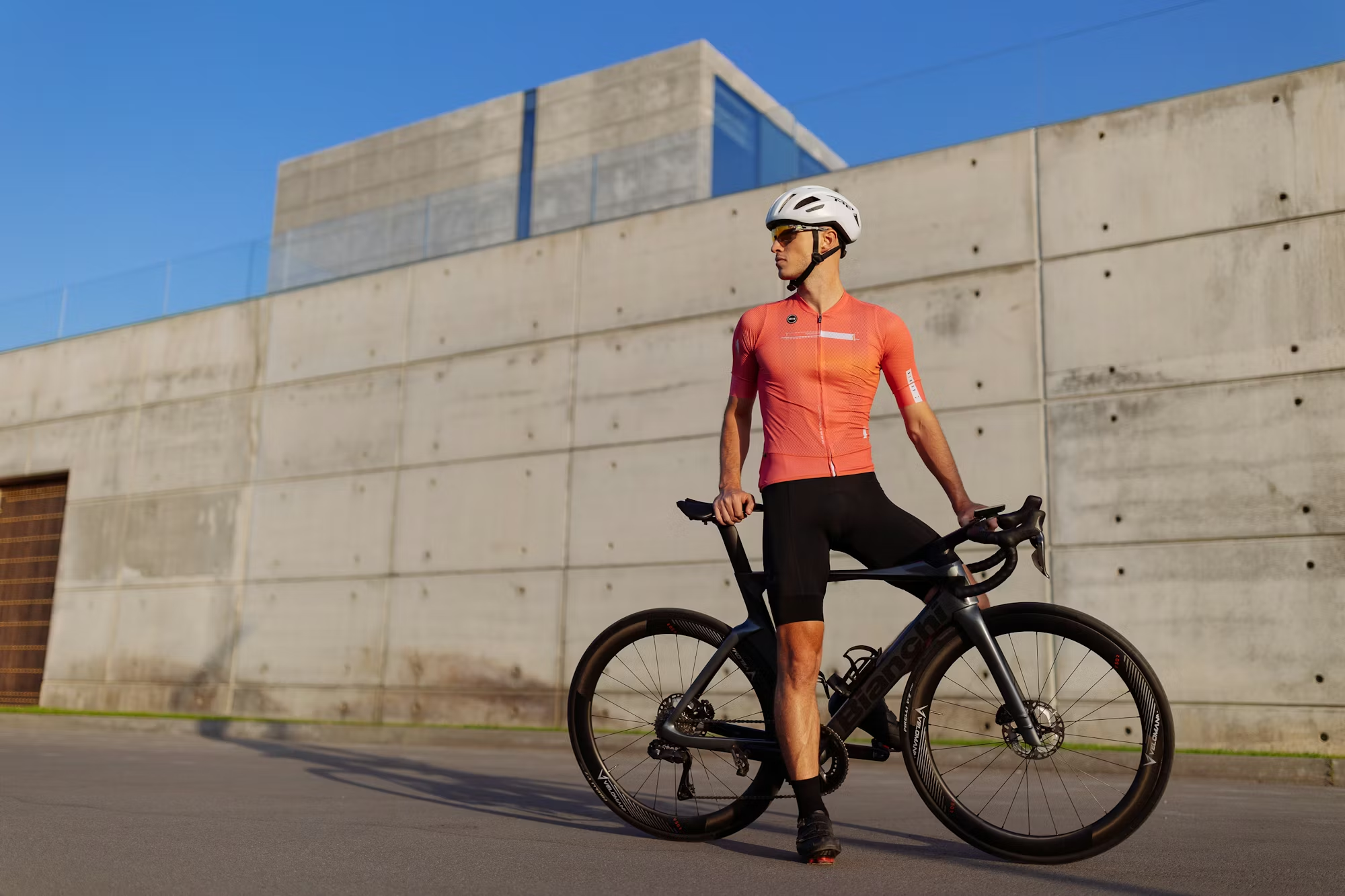
Road Cycling is perhaps the most recognized form of cycling, primarily conducted on paved surfaces. It can be divided into two main categories: road racing and endurance riding.

Road Racing is a competitive discipline that includes events like criteriums and stage races. These events test cyclists’ speed, endurance, and tactical skills as they navigate courses that can range from short sprints to long distances. The excitement of racing, coupled with the need for strategy and teamwork, makes road cycling a thrilling pursuit. Cyclists work together in teams to achieve victory, employing techniques like drafting to conserve energy while outpacing competitors.

On the other hand, Endurance Riding focuses on long-distance cycling at a consistent pace. Events such as randonneuring allow cyclists to cover significant distances while enjoying the journey. Riders often find themselves immersed in nature, discovering beautiful landscapes and experiencing the joy of exploration. The sense of achievement after completing an endurance ride is immensely rewarding, as it showcases not only physical strength but also mental resilience.

Mountain Biking

For those who crave adventure, Mountain Biking offers an exciting way to explore rugged terrains and trails. This discipline includes various styles, such as cross-country (XC) and downhill (DH) riding.

Cross-Country (XC) mountain biking emphasizes endurance and technical skill. Riders navigate diverse trails that may include steep climbs, challenging descents, and technical obstacles. The physical demands of XC riding require cyclists to be well-rounded athletes, combining strength with stamina. Many XC events are competitive, but there are also casual rides that allow participants to appreciate nature at a more leisurely pace.

In contrast, Downhill (DH) mountain biking is all about speed and excitement. Riders tackle steep trails filled with jumps, drops, and obstacles, focusing on control and technique as they descend rapidly. This discipline appeals to thrill-seekers who enjoy the rush of adrenaline while navigating challenging terrain. The skills required for downhill riding differ significantly from other forms of cycling, making it a unique and exhilarating experience.

Another exciting variant is Enduro, which combines elements of both XC and DH. Enduro races typically consist of timed downhill sections mixed with untimed uphill climbs. Cyclists must excel in both climbing and descending, making it a versatile and demanding sport. The thrill of racing against the clock on downhill segments while managing energy on climbs creates a balanced and rewarding challenge for riders.

BMX and Freestyle Cycling

Bicycle Motocross (BMX) is a dynamic and fast-paced cycling style that includes both racing and freestyle elements. In BMX Racing, riders compete on specially designed dirt tracks featuring jumps and turns. The intensity and speed of BMX racing create an exciting atmosphere, where athletes of all ages showcase their skills. Races are short, high-energy events that require quick reflexes and strategic thinking, making it a thrilling spectacle for participants and spectators alike.

On the other hand, Freestyle BMX focuses on performing tricks and stunts. Cyclists utilize ramps and obstacles to express their creativity and technical prowess. Freestyle events allow riders to showcase their individuality through their performances, and the sense of community among BMX enthusiasts fosters encouragement and support. This discipline blends athleticism with artistry, making it captivating for both participants and onlookers.

Cyclocross

Cyclocross is a unique cycling discipline that blends elements of road racing and mountain biking. Races typically occur on varied terrain, including grass, dirt, and obstacles that challenge riders to dismount and carry their bikes. This dynamic style of racing tests both physical endurance and mental agility, as competitors navigate various surfaces and transitions. Cyclocross events often have a festive atmosphere, attracting diverse crowds of participants and spectators. The combination of speed, skill, and strategy creates an exhilarating experience for all involved.

Track Cycling

Track Cycling takes place on specially designed velodromes, where cyclists compete on fixed-gear bikes in various events, such as sprints and pursuits. The focus on speed and strategy makes track cycling an exciting spectacle. Riders must master the art of racing closely with others, requiring excellent pacing and positioning skills. The atmosphere during track events is electric, showcasing the talents and determination of the athletes.

Touring and Adventure Cycling

For those who enjoy the freedom of exploration, Bike Touring offers the chance to travel long distances while experiencing new cultures and landscapes. Touring can range from short weekend trips to extensive journeys spanning weeks or months. Many cyclists revel in the opportunity to plan routes, discover hidden gems, and interact with local communities. The joy of bike touring lies not only in the destinations but also in the journey itself, as riders create lasting memories along the way.

Recumbent and Electric Biking

Recumbent Cycling provides an alternative riding experience, featuring bikes designed for a more reclined, comfortable position. This style reduces strain on the body, making it a popular choice for leisurely rides and long-distance cycling. Riders can enjoy the scenery without the discomfort often associated with traditional bike positions.

Electric Biking, or e-biking, has gained significant popularity in recent years. E-bikes are equipped with electric motors that assist in pedaling, making it easier to tackle hills and cover longer distances. This modern twist on cycling opens the door for more individuals to enjoy biking, regardless of their fitness levels. Whether commuting, exploring, or simply enjoying a leisurely ride, e-bikes provide an accessible option for everyone.

Conclusion

Cycling offers a rich tapestry of benefits and experiences that can enhance both physical and mental well-being. With various styles available, individuals can find a cycling discipline that suits their interests and goals. Whether you’re drawn to the speed of road racing, the adventure of mountain biking, or the tranquility of bike touring, cycling has something for everyone. Embrace the journey, explore new horizons, and discover the joy that comes from pedaling through life.
Dive into Adventure: The Many Facets of Diving

Diving is a captivating activity that transports adventurers into the enchanting world beneath the waves. From exploring vibrant coral reefs to swimming through mesmerizing underwater caves, each diving discipline offers distinct experiences and challenges. This article will delve into the different types of diving, providing insight into their unique characteristics and the joys they bring to divers of all levels.

At the heart of diving is scuba diving, the most popular form that opens up a realm of underwater adventure. Scuba diving utilizes a self-contained underwater breathing apparatus, allowing divers to explore depths previously inaccessible. With the freedom to breathe underwater, divers can glide through stunning marine landscapes, encounter diverse wildlife, and marvel at the intricate beauty of coral reefs. Each dive presents an opportunity to connect with nature and appreciate the wonders of the ocean.

Before embarking on a scuba diving adventure, individuals typically complete a certification course through organizations like PADI or SSI. These courses provide essential training in safety protocols, equipment usage, and underwater skills. Understanding the fundamentals of diving not only ensures safety but also enhances the overall experience. As divers become more skilled, they often find themselves drawn to the excitement of deeper dives and the exploration of more challenging environments.

Technical diving is a fascinating branch of the sport, requiring advanced training and specialized equipment. It allows experienced divers to delve deeper into the ocean, exploring caves, shipwrecks, and other challenging underwater terrains. Technical divers utilize mixed gas systems to manage the complexities of deep-sea environments, enabling longer bottom times and the ability to navigate intricate underwater systems.

Planning is paramount in technical diving. Divers must meticulously calculate dive profiles, monitor gas supplies, and adhere to strict safety protocols. This thorough preparation is essential for ensuring safe and successful explorations of underwater environments that are rich in both beauty and complexity. The sense of adventure that comes with technical diving is amplified by the knowledge that divers are venturing into the unknown, discovering hidden gems beneath the surface.

For those seeking a more accessible way to experience the ocean, snorkeling offers an ideal introduction to the underwater world. With just a mask, snorkel, and fins, individuals can float on the surface and observe the vibrant marine life below. This simple yet rewarding activity is particularly popular in tropical regions where the waters are teeming with colorful fish and stunning coral formations.

Snorkeling is not only enjoyable but also a fantastic way for families and individuals to bond with nature. It provides a relaxed environment for exploration, allowing participants to discover the underwater realm at their own pace. Many snorkelers are amazed by the beauty that lies just beneath the surface, fostering a sense of wonder and appreciation for marine ecosystems.

Freediving, or apnea diving, presents another exhilarating approach to underwater exploration. This discipline relies on breath-holding techniques, enabling divers to explore depths without any breathing apparatus. Freediving emphasizes relaxation and mental focus, creating an intimate connection with the ocean. Divers learn to listen to their bodies and master the art of holding their breath, allowing them to experience the underwater world in a unique way.

Competitive freediving has emerged as a popular sport, showcasing various disciplines like static apnea, dynamic apnea, and depth diving. Static apnea challenges divers to hold their breath for extended periods while submerged, while dynamic apnea involves swimming distances underwater on a single breath. Depth diving tests the limits of human capability, encouraging divers to reach remarkable depths while honing their skills. The mental and physical discipline required for freediving fosters a deeper appreciation for the ocean and its mysteries.

In the professional realm, commercial diving plays a crucial role in various industries, including construction, maintenance, and research. Commercial divers perform essential tasks such as underwater welding, inspection of marine infrastructure, and conducting scientific research. This branch of diving requires rigorous training and a solid understanding of safety protocols, as divers often work in challenging conditions.

Training to become a commercial diver involves mastering a range of skills, including the operation of specialized equipment and underwater repairs. The comprehensive training prepares divers for the demands of their work, equipping them with the expertise needed to navigate complex underwater environments safely. The contributions of commercial divers are vital for maintaining and developing underwater structures that support various industries.

Underwater photography and videography have become integral to the diving experience, attracting many who wish to capture the breathtaking beauty of marine life. These disciplines require both diving proficiency and an artistic eye, enabling divers to document their underwater adventures. Capturing stunning images or videos underwater presents unique challenges, including managing lighting and water clarity.

Many divers invest in specialized equipment, such as waterproof cameras and lighting systems, to achieve impressive results. The photos and videos created during dives serve as personal mementos and powerful tools for raising awareness about marine conservation. By sharing their experiences, underwater photographers contribute to the understanding of the importance of preserving our oceans and their inhabitants.

For those with a taste for adventure, cave diving offers a thrilling experience that requires specialized training due to the unique risks associated with submerged caves. Cave divers navigate complex passageways, often in low visibility conditions, necessitating a solid understanding of safety protocols and teamwork. This discipline provides an unparalleled opportunity to explore hidden underwater worlds that few have seen.

Cave diving reveals stunning geological formations and unique ecosystems, fostering a sense of exploration and wonder. The beauty of these environments is often breathtaking, as divers glide through crystal-clear waters surrounded by captivating rock formations. While cave diving is not for everyone, it can be a profoundly rewarding experience for those who embrace the challenge.

Ice diving introduces another layer of excitement to underwater exploration, allowing divers to explore beneath frozen surfaces. Often conducted in polar regions or frozen lakes, ice diving requires specialized training and equipment, including dry suits and safety lines. The tranquility of ice diving offers a serene atmosphere, providing divers with a unique perspective on underwater life in frigid conditions.

The contrast between the icy surface and the vibrant marine life below creates a captivating experience for ice divers. Many find the stillness and beauty of the underwater environment to be magical, fostering a deep appreciation for the ocean’s wonders even in its most extreme conditions. Ice diving appeals to those who seek adventure in unique settings and appreciate the beauty of winter landscapes.

Night diving adds another dimension to the diving experience, allowing divers to explore the ocean after dark. Using specialized lights, night divers can illuminate their surroundings, revealing a fascinating array of marine life that comes alive at night. The quiet and serenity of the underwater world during nighttime dives create a different kind of connection with the ocean.

Night diving offers a unique opportunity to observe nocturnal creatures and experience the ocean from a fresh perspective. Divers must navigate carefully in low visibility, emphasizing the importance of proper training and safety measures. With the right preparation, night diving can be an unforgettable experience filled with wonder and discovery.

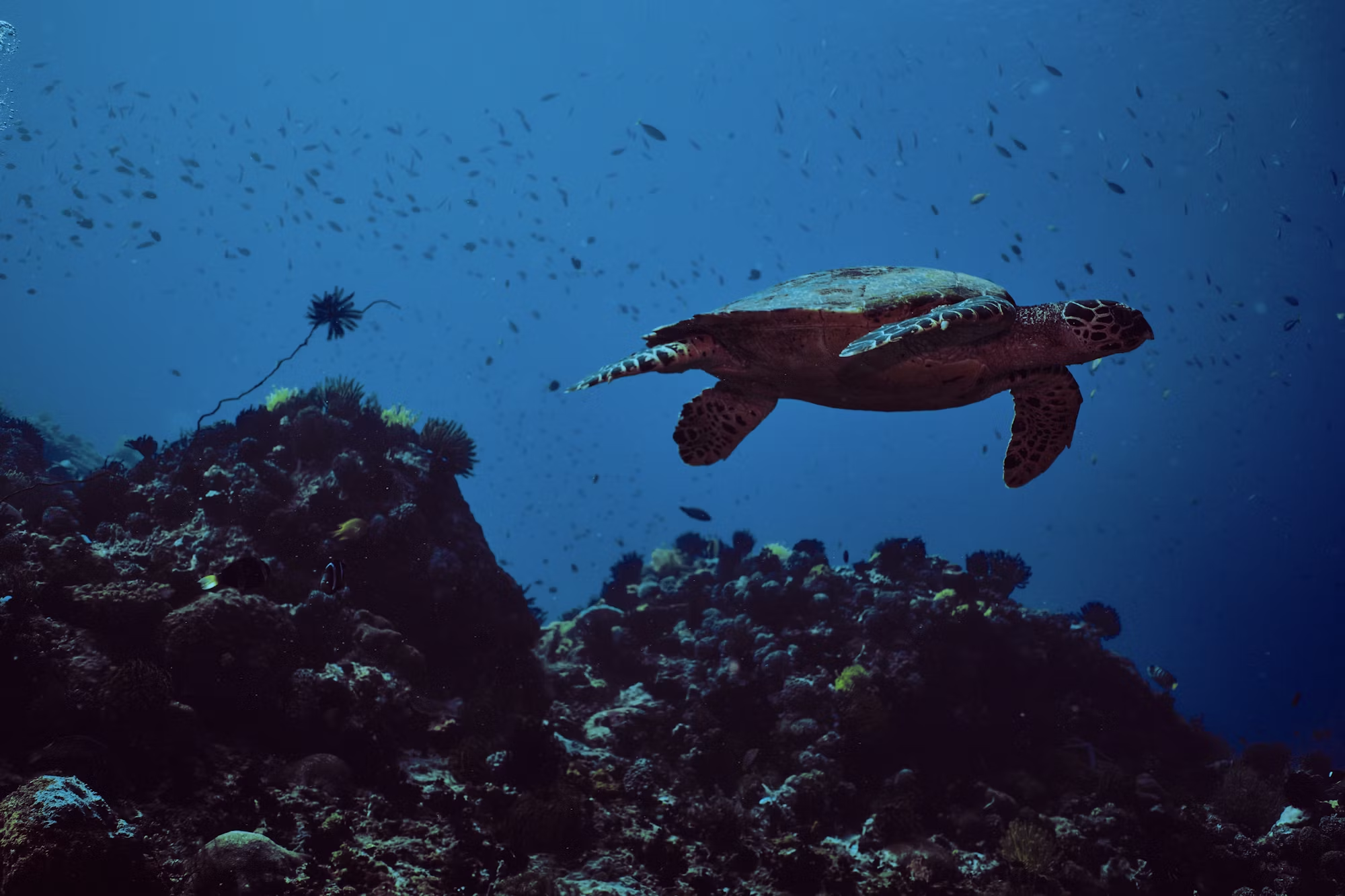
Reef diving remains one of the most cherished forms of diving, celebrated for its rich biodiversity and vibrant ecosystems. Coral reefs are home to an astonishing variety of marine species, providing divers with opportunities to encounter colorful fish, graceful sea turtles, and intricate coral formations. These ecosystems play a crucial role in maintaining the health of our oceans, serving as vital habitats for countless marine organisms.

Divers exploring reefs are encouraged to practice responsible diving techniques to minimize their impact on these delicate environments. By adhering to guidelines and respecting marine life, divers can contribute to the conservation of coral reefs and ensure their preservation for future generations. Reef diving not only offers the thrill of exploration but also fosters a sense of stewardship for the ocean.

Wreck diving invites divers to delve into history, exploring sunken ships, aircraft, and artificial reefs. These underwater sites provide unique opportunities for historical exploration while serving as habitats for diverse marine life. Wreck diving combines adventure with a sense of discovery, as divers investigate the stories behind these submerged structures.

Many wrecks are located in popular diving destinations, where they have become artificial reefs, attracting various marine species. Divers can witness the beauty of nature reclaiming these human-made structures, creating a captivating interplay between history and marine life. Each wreck has its own story to tell, and exploring them can spark a deeper interest in maritime history and marine conservation.

In conclusion, diving is a diverse and enriching activity that appeals to a wide range of interests and skill levels. From the ease of snorkeling to the technical challenges of cave diving, each type of diving offers unique experiences and opportunities for adventure. As divers immerse themselves in the underwater world, they not only enjoy the beauty of marine life but also gain a deeper understanding of the importance of ocean conservation.

Whether you seek adventure, relaxation, or professional growth, diving opens the door to endless possibilities beneath the surface. So grab your gear, choose your diving style, and embark on an unforgettable journey into the depths of our planet’s oceans.

Cycling Through Life: The Multifaceted Benefits of Biking

Cycling is a universal activity that transcends borders, ages, and skill levels. Whether you’re a seasoned racer or a weekend rider, the world of cycling offers something for everyone. This article delves into the different styles of cycling, highlighting their unique benefits while exploring the community spirit that accompanies this beloved pastime.

Road Cycling

Road Cycling stands as one of the most popular forms of cycling, attracting individuals from all walks of life. At the heart of road cycling is Road Racing, which is a competitive pursuit on paved roads. Events can vary significantly, ranging from short criterium races that require intense speed and strategic teamwork to longer stage races like the renowned Tour de France, where endurance and resilience are tested over multiple days. The thrill of competition is palpable, fostering a sense of camaraderie among participants who often train together and support one another through the rigors of racing.

Beyond racing, there is a growing community around Endurance Riding, which focuses on covering long distances at a steady pace. Events such as randonneuring and audax challenge riders to explore vast terrains and enjoy the journey rather than just the destination. This discipline promotes a strong sense of accomplishment as cyclists conquer long rides, often leading to lasting friendships formed through shared experiences on the road. The support within this community is remarkable, with seasoned riders offering guidance and encouragement to newcomers, ensuring everyone feels included in this adventure.

Mountain Biking

Transitioning from paved roads to rugged trails, Mountain Biking introduces cyclists to a thrilling new environment. Within this category, Cross-Country (XC) mountain biking emphasizes endurance and skill as riders navigate challenging terrain filled with climbs, descents, and natural obstacles. The appeal of XC biking lies not just in the physical challenge but also in the breathtaking scenery encountered along the way. Riders often find themselves in stunning landscapes, fostering a deep appreciation for nature and the outdoors.

For those who crave speed and excitement, Downhill (DH) mountain biking presents an exhilarating experience. Riders tackle steep, technical trails, racing downhill at impressive speeds while maneuvering through jumps and obstacles. The thrill of mastering difficult descents brings a sense of achievement that is hard to replicate, creating a vibrant community of downhill enthusiasts who celebrate each other’s progress and skills. The friendships formed in this high-adrenaline environment often lead to a supportive network that thrives on shared passion and mutual respect.

Enduro cycling combines elements from both cross-country and downhill disciplines, presenting a unique format that tests riders in varied conditions. Participants face timed downhill sections mixed with untimed climbs, allowing for a blend of skills and endurance. The Enduro community is characterized by its inclusivity and encouragement, as riders cheer each other on through tough challenges. This supportive atmosphere fosters a sense of belonging, making it easy for newcomers to find their place within the group.

BMX (Bicycle Motocross)

BMX cycling is a captivating blend of speed and skill, particularly appealing to those who enjoy intense competition. In BMX Racing, riders sprint on specially designed dirt tracks filled with jumps, berms, and turns. These races are short but action-packed, requiring quick reflexes and strategic maneuvering. The energy at BMX events is infectious, drawing in fans and participants alike, creating a lively community that thrives on excitement and camaraderie.

In contrast, Freestyle BMX allows riders to showcase their creativity. Competitors perform tricks and stunts on ramps and street obstacles, emphasizing individual style and innovation. Freestyle BMX encourages riders to push their limits and express themselves through their riding. The freestyle community is known for its supportive nature, where participants celebrate each other’s achievements and inspire creativity among their peers, fostering an environment where everyone can thrive.

Cyclocross

Cyclocross offers a unique twist on traditional cycling, typically taking place during the fall and winter months. Races feature a mix of terrains, including grass, dirt, and mud, challenging cyclists to navigate obstacles and adapt their riding techniques. The atmosphere at cyclocross events is electric, with enthusiastic spectators cheering on competitors through varying conditions. The cyclocross community is vibrant and passionate, bringing together riders who enjoy the thrill of the sport while cultivating friendships through shared experiences.

Track Cycling

For those who enjoy speed and precision, Track Cycling provides thrilling competitions on specialized oval tracks called velodromes. Cyclists compete using fixed-gear bikes in various events, such as sprints and pursuits. The high-speed nature of track racing creates an exhilarating atmosphere, fostering strong camaraderie among riders. Participants often support one another, sharing tips and strategies to enhance performance, which cultivates a tight-knit community centered around the love of speed and competition.

Touring

Bike Touring offers a more leisurely approach, inviting cyclists to explore diverse landscapes and cultures over long distances. Riders can embark on self-supported trips or those assisted by support vehicles, focusing on the joy of discovery rather than just competition. This style of cycling encourages connections with nature and fellow travelers, creating a sense of adventure that transcends mere physical activity. The touring community is known for its warmth and generosity, with experienced cyclists readily sharing resources, tips, and encouragement with newcomers. The friendships formed during these journeys often last a lifetime, reinforcing the bonds created through shared experiences on the road.

Recumbent Cycling

Recumbent Cycling offers a comfortable alternative for those who may seek a different riding experience. Recumbent bikes feature a reclined seating position, which reduces strain on the body and allows for a more relaxed ride. This style appeals to a diverse range of cyclists, including those who may have physical limitations or simply prefer a more leisurely approach to cycling. The recumbent community is inclusive and supportive, encouraging individuals to enjoy cycling at their own pace while fostering connections with fellow riders who share a passion for this unique style of biking.

Electric Biking (E-bikes)

The rise of Electric Biking has made cycling more accessible to a broader audience. E-bikes are equipped with electric motors that assist riders as they pedal, making it easier to tackle hills and cover longer distances. This technology has opened up cycling to many who might have previously felt intimidated, creating a diverse community of e-bike enthusiasts. Whether for commuting or recreational rides, e-bikes provide a flexible and enjoyable way to experience cycling, fostering connections among riders from various backgrounds.

Indoor Cycling

Indoor Cycling, particularly through spin classes, has gained popularity as a fitness trend in recent years. These classes are typically led by enthusiastic instructors who guide participants through high-intensity workouts on stationary bikes. The focus on intervals and varied intensities allows for an effective cardiovascular workout while promoting motivation through group dynamics. The camaraderie built in spin classes encourages participants to challenge themselves and stay committed to their fitness goals, creating a supportive and inspiring atmosphere that enhances the overall experience.

Bike Polo

Lastly, Bike Polo introduces a fun and engaging twist on traditional polo, using bicycles instead of horses. Played on grass or hard courts, this team sport emphasizes coordination, strategy, and teamwork. The blend of cycling and competitive spirit makes bike polo an exciting activity for participants, fostering a lively community where players can learn and grow together. Clubs often welcome newcomers, creating a friendly environment that celebrates the joy of cycling while encouraging everyone to develop their skills and enjoy the game.

Conclusion

In conclusion, cycling encompasses a diverse range of activities that cater to varying interests and skill levels. From the thrill of road racing to the leisurely enjoyment of bike touring, each style offers unique benefits and fosters a sense of community among riders. As cycling continues to grow in popularity, it brings together individuals from all walks of life to celebrate their shared passion for this enriching activity. Whether you are an experienced cyclist or just starting your journey, the vibrant world of cycling awaits, offering endless opportunities for adventure, connection, and personal growth.

Exploring the Art of Trolling: A Guide for Anglers

Trolling is a dynamic and effective fishing technique that involves dragging baited lines or lures behind a moving boat. This method is particularly popular among anglers targeting species such as salmon, trout, and walleye. With the right equipment and strategies, trolling can lead to a productive and enjoyable day on the water. In this article, we will explore the various aspects of trolling, including techniques, gear, and tips for success.

The Basics of Trolling

At its core, trolling is about covering a significant area of water to locate fish. By moving at a controlled speed, anglers can entice fish that are suspended in the water column or near the surface. Trolling can be conducted in freshwater lakes, rivers, and coastal waters, making it a versatile technique for various environments.

Types of Trolling

There are several approaches to trolling, each tailored to specific conditions and target species:

1. Surface Trolling: This method involves pulling lures or baits at or near the surface. It is effective for species like bass and some types of trout. Surface trolling is often done with lighter tackle and requires attention to the lure’s action to attract fish.

2. Midwater Trolling: For species that dwell at intermediate depths, midwater trolling is an excellent choice. This method typically employs downriggers or lead weights to keep the bait at the desired depth. It’s particularly effective for species such as salmon and lake trout, which often inhabit deeper waters.

3. Bottom Trolling: This technique involves dragging lures or bait along the seafloor. Bottom trolling is ideal for targeting species like catfish and certain types of bottom-dwelling fish. Care must be taken to avoid snags and ensure the bait stays near the bottom.

Essential Gear for Trolling

To maximize your success while trolling, having the right gear is crucial. Here are the essential components:

– Rod and Reel: Choose a sturdy trolling rod that can handle the weight of the lure and the fish you’re targeting. Trolling reels often feature a level wind system to help evenly distribute the line during retrieval.
– Lures and Baits: Depending on the species you are targeting, various lures, such as spoons, plugs, and soft plastics, can be effective. Live bait, like minnows or cut bait, can also be used, especially in deeper waters.
– Downriggers: For midwater trolling, downriggers allow you to precisely control the depth of your bait. They consist of a weight attached to a cable that can be lowered and raised to maintain the desired depth.
– Planer Boards: These devices are used to spread lines out away from the boat. This is particularly useful when multiple lines are being trolled simultaneously, as it helps to reduce tangles and allows you to cover more water.
– Fish Finder: A fish finder is an invaluable tool for trolling. It helps identify underwater structures, schools of fish, and their depth, allowing you to adjust your strategy accordingly.

Trolling Techniques and Strategies

To improve your chances of a successful trolling expedition, consider the following techniques and strategies:

1. Speed Control: The speed at which you troll can significantly impact your success. Different species prefer different speeds, so experimentation may be necessary. A common range is 1.5 to 3 mph, but adjusting speed based on conditions can yield better results.

2. Scent and Action: Ensure that your lures have the right action and scent to attract fish. Some anglers add scent attractants to their lures or use lures that mimic the movement of injured baitfish. This can increase your chances of enticing fish to strike.

3. Depth Adjustment: Pay attention to the depth at which fish are biting. If you’re not getting strikes, consider adjusting the depth of your lines. This can be done using downriggers, weights, or by altering the length of the line behind the boat.

4. Use of Waypoints: Mark successful locations on your fish finder and use them as waypoints for future trips. This can help you identify productive areas and increase your efficiency while trolling.

5. Watch for Signs: Keep an eye out for signs of fish activity, such as jumping fish or birds diving into the water. These can be indicators of schools of fish below and can help you adjust your trolling path.

Safety Considerations

While trolling can be an exciting adventure, it’s essential to prioritize safety on the water. Here are some tips to keep in mind:

– Wear Life Jackets: Ensure that all passengers on the boat wear life jackets, especially when fishing in open waters.
– Check Weather Conditions: Before heading out, check the weather forecast and be prepared for changing conditions. Sudden storms can arise, so it’s essential to have a plan in case of inclement weather.
– Stay Aware of Surroundings: Maintain awareness of your surroundings while trolling, including other boats, navigation markers, and hazards in the water.
– Carry Safety Equipment: Always have safety equipment onboard, including a first aid kit, flares, and a fire extinguisher. Having a plan in case of emergencies is crucial for a safe outing.

Conclusion

Trolling is an engaging and effective fishing technique that can lead to exciting catches and memorable days on the water. By understanding the different types of trolling, using the right gear, and employing effective strategies, anglers can enhance their fishing experience. Whether you’re a seasoned pro or a beginner, the thrill of trolling awaits, inviting you to explore new waters and discover the joys of fishing in motion. So gear up, hit the water, and enjoy the adventure of trolling.

Exploring the Depths: A Guide to Various Fishing Techniques

Fishing is a timeless pursuit that not only provides relaxation but also fosters a deeper connection with nature. Whether you are a novice angler or a seasoned fisherman, understanding the various fishing techniques can significantly enhance your experience on the water. This article will explore a range of fishing methods, including angling, fly fishing, and trolling, while providing practical tips and insights to help you become a more effective angler.

Understanding Fishing Techniques

Fishing techniques vary widely depending on the species you’re targeting, the environment, and your personal preferences. By familiarizing yourself with different methods, you can adapt your approach to increase your chances of success. Below, we delve into several popular fishing techniques and how to maximize your effectiveness with each.

Angling: The Classic Approach

Angling is one of the most traditional and widely recognized fishing methods, utilizing a rod, reel, and bait to catch fish. This method is highly adaptable, making it suitable for various environments, from freshwater lakes to saltwater coasts.

Choosing the Right Equipment

Selecting the appropriate gear is crucial for successful angling. A medium-action spinning rod paired with a spinning reel is an excellent choice for beginners. This setup provides the versatility needed to target different species effectively. Consider the specific conditions of your fishing location, such as water depth and current, when selecting your tackle and bait.

Bait Selection for Success

Bait selection can greatly impact your fishing success. Live bait, such as worms or minnows, is often more enticing to fish, while artificial lures can effectively mimic the movement of prey. Experimenting with various types of bait can help you determine what works best for the local fish species. Remember that fish behavior can change throughout the day, so be ready to adapt your bait choices accordingly.

Fly Fishing: A Unique Craft

Fly fishing is a specialized technique that uses artificial flies to attract fish. This method is particularly popular in freshwater settings, where anglers can enjoy the serene beauty of rivers and streams while honing their skills.

Perfecting the Cast

Mastering the cast is essential in fly fishing. The double haul technique can significantly improve your casting distance and accuracy. Practicing your casting skills on land can help build muscle memory, making it easier to perform on the water. Additionally, learning to read the water—identifying where fish are likely to be feeding—can enhance your success.

Matching the Hatch

In fly fishing, matching the hatch refers to the practice of selecting flies that imitate the insects fish are feeding on. Observing the local insect life and adapting your fly choice accordingly can lead to more successful outings. The more accurately you can replicate the natural food sources, the higher your chances of enticing a catch.

Trolling: Covering More Ground

Trolling is a dynamic fishing technique that involves dragging baited lines behind a moving boat. This method allows anglers to cover vast areas of water, making it particularly effective for targeting species like salmon and tuna.

Setting Up Your Tackle

To be successful at trolling, it’s essential to set up your tackle correctly. Utilize multiple lines at varying depths to maximize your coverage. Choose bait that matches the species you’re targeting, whether it’s live bait or artificial lures. Adjusting your trolling speed can also influence how fish respond, so don’t hesitate to experiment to find the optimal pace.

Navigating Your Fishing Grounds

Familiarizing yourself with the waters you’re fishing can significantly enhance your trolling success. Using maps, sonar, or GPS technology can help identify underwater structures where fish are likely to congregate. This knowledge allows you to position your boat strategically, increasing your chances of a successful outing.

Ice Fishing: A Winter Experience

Ice fishing provides a unique way to enjoy the sport during the colder months. This technique involves fishing through holes drilled in frozen lakes, offering a different set of challenges and rewards.

Essential Gear for Ice Fishing

When preparing for an ice fishing trip, having the right gear is vital. A quality ice auger is necessary for drilling holes, while insulated shelters can provide comfort and warmth. Specialized ice fishing rods and reels are designed to perform well in cold conditions, enhancing your overall experience.

Effective Baiting Techniques

For ice fishing, live bait such as minnows or wax worms is often effective. Many anglers also use jigs and other artificial lures to attract fish. Experimenting with different colors, sizes, and depths can help you discover what works best in the icy waters.

Kayak Fishing: A Closer Connection

Kayak fishing has grown in popularity as a way to access remote fishing locations. This method combines the thrill of paddling with the excitement of fishing, allowing anglers to experience nature up close.

Selecting the Right Kayak

Choosing a stable kayak designed for fishing is essential for a successful outing. Look for kayaks with features such as rod holders and storage compartments for your gear. Stability is particularly important, especially when reeling in larger fish, so ensure your kayak is appropriate for the fishing conditions you anticipate.

Techniques for Success

When fishing from a kayak, stealth is key. Paddling quietly and avoiding sudden movements can prevent scaring away fish. Utilizing a fish finder can also enhance your chances of success by allowing you to locate fish more easily. Planning your route and strategy before launching can significantly improve your fishing experience.

Night Fishing: A Different Perspective

Night fishing offers a unique experience, as many fish species are more active after dark. This method allows anglers to enjoy a tranquil environment while pursuing their favorite catches.

Safety Considerations

When fishing at night, safety should always be your priority. Ensure your boat or fishing area is well-lit, and wear clothing that enhances your visibility. Having a reliable flashlight and emergency supplies can improve your safety during nighttime excursions.

Lure Choices for Night Fishing

Brightly colored or illuminated lures can attract fish in low-light conditions. Experimenting with different retrieval techniques can yield positive results, as fish often exhibit different behaviors at night. Adjusting your approach based on the time of day can lead to more successful fishing outings.

Conclusion

Fishing is a diverse and rewarding sport that offers various techniques and opportunities for adventure. By understanding methods such as angling, fly fishing, trolling, ice fishing, kayak fishing, and night fishing, you can tailor your approach to suit your preferences and local conditions. With patience, practice, and a willingness to learn, you can enhance your skills and enjoy the many rewards that fishing has to offer. Embrace the journey, connect with nature, and let your fishing adventures thrive.

Exploring the World of Golf Course Design: Art Meets Science

Golf course design is an art form that combines creativity, environmental stewardship, and strategic gameplay. It involves much more than just laying out 18 holes; it requires a deep understanding of the land, weather conditions, and the preferences of golfers. This article will delve into the fascinating aspects of golf course design, exploring its history, key principles, and the future of sustainable practices in the industry.

The History of Golf Course Design

Early Beginnings

The concept of golf course design can be traced back to the origins of the game in Scotland during the 15th century. The earliest courses were simple, often consisting of natural landscapes with minimal alterations. As golf grew in popularity, particularly in the 19th century, the need for more structured and aesthetically pleasing courses became apparent. Pioneers like Old Tom Morris began to shape courses with specific design principles in mind, emphasizing the importance of strategy and playability.

The Golden Age of Design

The early 20th century marked the Golden Age of golf course design. Visionary architects such as Alister MacKenzie, Donald Ross, and A.W. Tillinghast introduced innovative concepts that focused on integrating the natural terrain with the design. MacKenzie’s work on Augusta National Golf Club is a prime example of this approach, where he blended the beauty of the landscape with strategic hole placements. Their designs emphasized the need for variety, challenge, and beauty, setting standards that still influence course designers today.

Principles of Golf Course Design

Aesthetics and Environment

One of the fundamental principles of golf course design is the aesthetic appeal of the course. A well-designed course should harmonize with its natural surroundings, enhancing the beauty of the landscape while providing an enjoyable experience for players. Designers often consider the views from various tee boxes and greens, ensuring that each hole offers a unique perspective. This emphasis on aesthetics is not just for visual pleasure; it also contributes to the overall enjoyment of the game.

Strategy and Playability

Strategic elements are crucial in course design. Each hole should present a challenge that encourages players to think critically about their shots. This involves considering factors such as the layout of fairways, the placement of bunkers, and the contouring of greens. A well-designed course provides options for different skill levels, allowing both novice and experienced golfers to enjoy the challenge. Designers often create risk-reward scenarios, where players must decide whether to take aggressive lines or play conservatively.

Sustainability in Design

In recent years, sustainability has become an essential consideration in golf course design. Designers are increasingly focusing on minimizing the environmental impact of their courses by using native grasses, implementing efficient irrigation systems, and preserving natural habitats. Sustainable design not only helps protect the environment but also enhances the long-term viability of the course. By creating ecosystems that support local wildlife, designers can ensure that their courses coexist harmoniously with nature.

The Design Process

Site Assessment

The first step in designing a golf course is a thorough site assessment. This involves analyzing the topography, soil composition, and existing vegetation of the land. Designers must consider how these natural features can be integrated into the course layout. For instance, hills can be utilized to create dramatic elevation changes, while water bodies can enhance both beauty and challenge.

Concept Development

Once the site assessment is complete, designers move on to developing a concept for the course. This stage involves sketching out the initial layout, determining the number of holes, and establishing the flow of play. Designers often create multiple iterations of the layout, considering factors such as accessibility, routing, and strategic placement of hazards.

Collaboration and Feedback

Collaboration is key in the design process. Designers often work with golf professionals, environmental consultants, and local stakeholders to gather input and refine their plans. Feedback from experienced golfers is invaluable, as it provides insights into how the course will play. This collaborative approach ensures that the final design meets the needs of both players and the environment.

Construction and Maintenance

After finalizing the design, construction begins. This phase involves earthmoving, landscaping, and installing infrastructure such as irrigation systems and pathways. The construction process can take several months, depending on the complexity of the design and the site conditions. Once the course is completed, ongoing maintenance is crucial to preserve its quality. Regular upkeep ensures that the course remains playable and visually appealing throughout the year.

The Future of Golf Course Design

Embracing Technology

Technology is playing an increasingly important role in golf course design. Innovations such as 3D modeling and drone surveys allow designers to visualize their projects more accurately and make informed decisions. Virtual reality is also being explored as a tool for presenting designs to stakeholders and potential investors, enabling them to experience the course before it is built.

The Rise of Alternative Formats

As the game of golf evolves, so do the expectations of players. The rise of alternative formats, such as short courses and par-3 layouts, is prompting designers to rethink traditional designs. These formats cater to busy lifestyles and appeal to new players who may find the standard 18-hole course intimidating. By creating courses that are fun and accessible, designers can attract a broader audience to the game.

A Focus on Community Engagement

Golf course design is increasingly recognizing the importance of community engagement. Designers are exploring ways to involve local communities in the planning process, ensuring that courses meet the needs of residents and promote inclusivity. By fostering a sense of ownership among the community, courses can become valuable assets that enhance local quality of life.

Conclusion

Golf course design is a multifaceted discipline that blends art, science, and environmental stewardship. The evolution of course design reflects the changing needs of golfers and society as a whole. As we look to the future, the principles of aesthetics, strategy, and sustainability will continue to shape the landscape of golf. By embracing innovation and fostering community engagement, the world of golf course design will not only thrive but also contribute positively to the environment and the communities it serves.

Dive Into Adventure: A Comprehensive Guide to Underwater Activities

Diving into the underwater world is an adventure that captivates the hearts and minds of countless individuals around the globe. With a plethora of diving disciplines available, each offers unique experiences that cater to different interests and skill levels. From the tranquil surface waters perfect for snorkeling to the exhilarating depths explored in technical diving, the ocean is a vast playground for exploration and discovery. This article provides an overview of various diving activities, celebrating the beauty and excitement they bring.

Starting with one of the most accessible forms of underwater exploration, snorkeling allows individuals to experience the magic of marine life with minimal equipment. All that is needed is a mask, snorkel, and fins, making it an ideal choice for families and beginners. Snorkelers can glide along the surface of shallow waters, observing vibrant coral reefs and colorful fish without the complexities of diving gear. This simplicity not only invites more people to engage with the ocean but also fosters a deeper appreciation for marine ecosystems.

Many who start with snorkeling find themselves enchanted by the underwater world, leading them to explore further through scuba diving. Scuba diving, which utilizes self-contained underwater breathing apparatus, opens up an entirely new dimension of exploration. With proper training and certification, divers can delve deeper into the ocean, experiencing the serenity and wonder of underwater landscapes. The thrill of descending into the blue, surrounded by schools of fish and intricate coral formations, is a transformative experience for many.

One of the most appealing aspects of scuba diving is its accessibility. Numerous dive shops and organizations offer courses for beginners, teaching essential skills and safety protocols. Once certified, divers can explore a variety of environments, from colorful coral reefs to fascinating shipwrecks. Each dive presents an opportunity to encounter diverse marine life, enhancing the overall experience and often inspiring a commitment to ocean conservation.

For those seeking even greater challenges, technical diving provides an exciting avenue for exploration. This advanced discipline requires specialized training and equipment, enabling divers to explore deeper waters and navigate complex underwater environments, such as caves and wreck sites. Safety is a primary concern in technical diving, as divers must learn advanced skills, including gas management and emergency procedures. The allure of discovering hidden treasures and unexplored underwater realms adds to the excitement of this thrilling pursuit, attracting seasoned divers eager to push their limits.

Another unique discipline within the diving world is freediving, or apnea diving. Unlike scuba diving, freediving relies solely on breath-holding techniques, allowing individuals to explore depths without any breathing apparatus. This discipline emphasizes relaxation, mental focus, and physical conditioning, making it a deeply immersive experience. Many freedivers find joy in the challenge of holding their breath and exploring underwater without the constraints of equipment. Competitive freediving has also gained popularity, with disciplines that showcase remarkable breath-holding abilities and swimming techniques. The connection to the ocean through freediving can be both exhilarating and meditative, drawing many into its depths.

For those who wish to pursue diving as a career, commercial diving offers a wealth of opportunities in various industries. This discipline involves working underwater in fields such as construction, maintenance, and marine research. Commercial divers undergo rigorous training to develop the skills necessary for their work, which often takes place in challenging underwater conditions. Safety is paramount in commercial diving, as divers must adhere to strict protocols while operating heavy machinery and navigating complex environments. For individuals passionate about the ocean and eager to contribute to its exploration, commercial diving can provide a fulfilling career path.

Underwater photography and videography have also become increasingly popular among divers. Equipped with specialized cameras designed for underwater use, divers can capture stunning images of marine life and breathtaking underwater landscapes. This discipline requires both an understanding of photography techniques and the ability to navigate underwater environments. The joy of documenting remarkable moments enhances the diving experience, encouraging divers to explore new locations and share their adventures with others. Many divers take pride in their underwater photography, using it as a tool to raise awareness about marine conservation and the importance of protecting ocean ecosystems.

Cave diving presents an exhilarating and adventurous form of diving that invites participants to explore submerged cave systems. This discipline requires specialized training due to the unique challenges posed by confined spaces and potential hazards. Cave divers encounter breathtaking geological formations and ecosystems, making this form of diving both thrilling and rewarding. The allure of uncovering hidden passages and exploring the mysteries of underwater caves draws many to the challenges of cave diving, providing unforgettable experiences that linger long after the dive.

Ice diving is another unique form of underwater exploration, allowing divers to venture beneath frozen surfaces. This discipline requires specific skills and equipment to manage the challenges presented by cold temperatures and limited visibility. Ice divers typically work in teams, using ropes and surface support to ensure safety while experiencing the stunning beauty of ice formations. The tranquility and unique landscapes found in frozen waters offer an extraordinary opportunity to connect with the ocean in a different way, making ice diving a remarkable experience for adventurous divers.

Night diving presents divers with the chance to explore the underwater world after sunset. Equipped with specialized lights, divers can venture into the ocean during nighttime hours, unveiling a hidden realm filled with nocturnal marine life. Many species exhibit different behaviors after dark, making night dives an exciting opportunity for observation and discovery. However, safety remains a priority during night diving; proper preparation and familiarity with the surroundings are essential for ensuring a safe and enjoyable experience. The underwater world transforms at night, providing a unique perspective that many divers cherish.

Reef diving continues to be one of the most cherished forms of diving, drawing individuals eager to explore the vibrant biodiversity of coral reefs. These ecosystems provide an incredible opportunity to observe a wide array of marine life in their natural habitats. The visual spectacle of colorful corals and the myriad creatures that inhabit these environments create stunning underwater vistas. Many divers develop a strong commitment to advocating for the protection and conservation of these fragile ecosystems, recognizing the importance of preserving them for future generations.

Wreck diving invites divers to connect with history while exploring the remains of sunken ships, aircraft, or artificial reefs. Each wreck tells a unique story, offering insights into the past while also providing opportunities for marine life observation and exploration. The thrill of uncovering the mysteries surrounding a wreck can be captivating, as divers discover the ecosystems that have developed around these submerged structures. Proper training and safety measures are essential for wreck diving, ensuring that divers can explore these fascinating sites while managing potential hazards.

In conclusion, the world of diving offers an abundance of opportunities for exploration, adventure, and personal growth. From the tranquil beauty of snorkeling to the exhilarating challenges of technical diving, each discipline provides something unique for enthusiasts and newcomers alike. Diving fosters a deep connection to nature and inspires many to advocate for ocean preservation. Whether you’re a seasoned diver or just beginning your journey, the underwater world awaits, ready to unveil its wonders and secrets, inviting you to explore its depths and share in its beauty.

Exploring the Waves: A Deep Dive into Surfing Styles and Culture

Surfing, an exhilarating sport that embodies freedom and adventure, has captivated hearts around the globe. From its ancient Polynesian roots to its modern-day status as a cultural phenomenon, surfing offers a diverse array of styles, each with its own techniques and philosophies. This article delves into the fascinating world of surfing, exploring shortboarding, longboarding, big wave surfing, stand-up paddleboarding, bodyboarding, tandem surfing, and skimboarding.

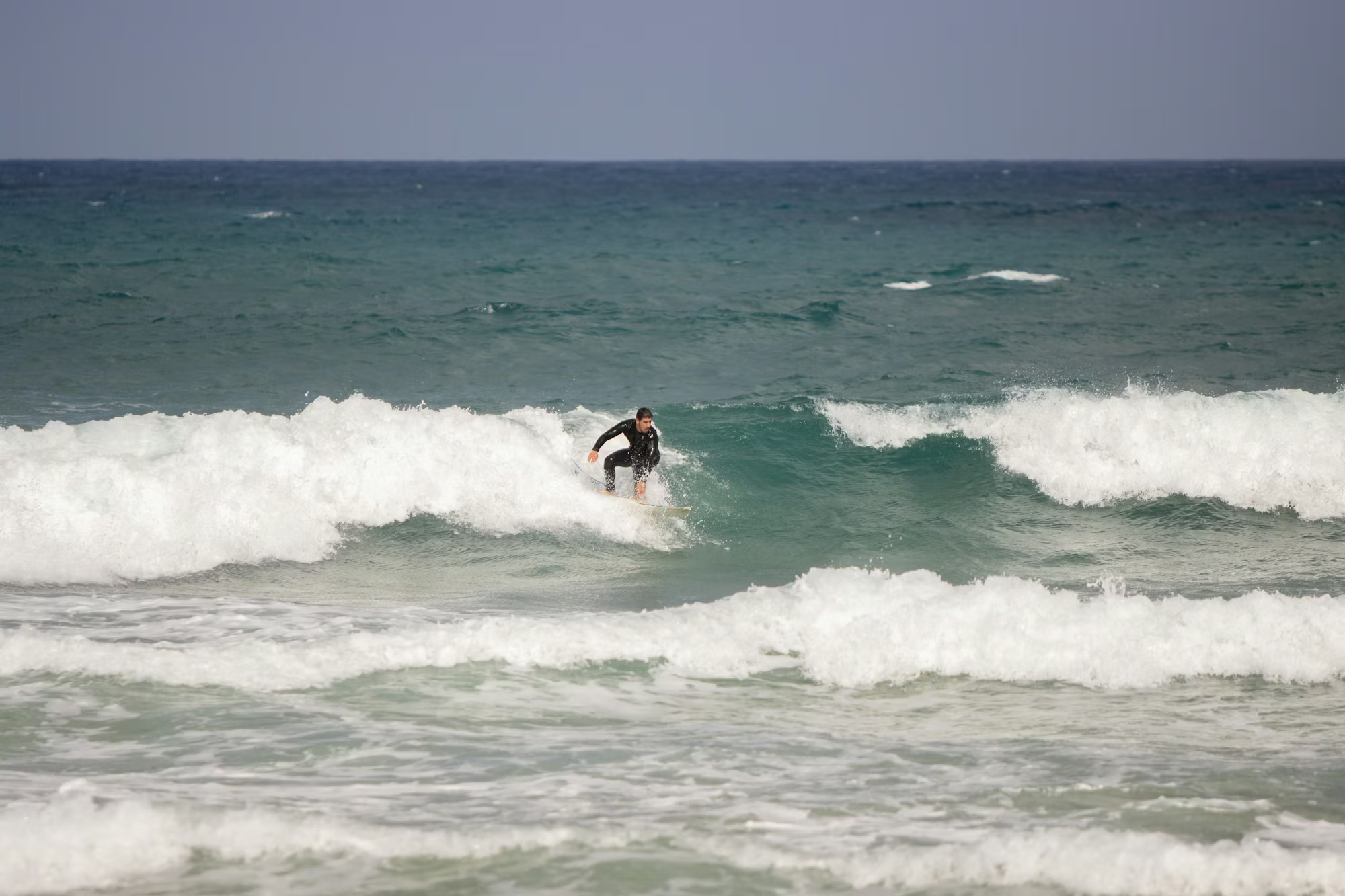
At the forefront of surfing is shortboarding, the most popular and dynamic form of the sport. Shortboarders utilize compact, lightweight boards designed for high performance, enabling them to execute sharp turns and impressive aerial maneuvers. These boards, typically less than 7 feet long, allow surfers to harness the power of the waves, engaging in a thrilling dance with nature. The adrenaline rush experienced while navigating steep, powerful waves is incomparable, making shortboarding a favorite among competitive surfers and thrill-seekers alike.

Mastering shortboarding requires rigorous training and dedication. Surfers must develop a keen sense of timing, allowing them to paddle into the wave at just the right moment. Once they feel the wave’s lift, they execute a smooth pop-up, transitioning from paddling to standing in a fluid motion. This crucial skill sets the stage for an exhilarating ride, where surfers can perform a variety of tricks, from radical turns to breathtaking aerials. The sense of accomplishment that comes with mastering these maneuvers is a major draw for those who embrace this fast-paced style.

In contrast, longboarding invites surfers to appreciate the ocean’s beauty at a more leisurely pace. Longboards, measuring 9 feet or longer, offer stability that allows for smooth, graceful movements. Longboarders often favor smaller, slower waves, focusing on classic maneuvers like noseriding and cross-stepping. This style emphasizes the artistry of surfing, where smooth transitions and stylish footwork take center stage. Longboarding is not just about catching waves; it’s about embodying the essence of surfing culture and enjoying every moment on the water.

The community surrounding longboarding is vibrant and inclusive, encouraging surfers of all levels to come together. Events and gatherings often showcase the beauty of longboarding, celebrating the shared love for the ocean and the joy of riding. This camaraderie fosters friendships that extend beyond the water, creating a supportive network where surfers can learn from one another and grow together.

For those seeking the ultimate challenge, big wave surfing offers an unparalleled experience. This extreme discipline involves riding waves that reach heights of 20 feet or more, demanding exceptional skill, courage, and respect for the ocean’s might. Legendary spots like Waimea Bay in Hawaii and Mavericks in California draw the most daring surfers, ready to tackle the most formidable waves on the planet.

Big wave surfers often utilize specialized equipment, including larger boards that provide buoyancy and stability. The evolution of tow-in surfing has further revolutionized this discipline, allowing surfers to catch colossal waves that were once deemed unattainable. By being towed into the wave by personal watercraft, surfers can ride massive swells and experience the exhilarating rush of conquering the ocean’s giants. However, the thrill comes with risks, and safety measures are paramount in this high-stakes environment.

Stand-up paddleboarding (SUP) has emerged as a versatile and accessible way to engage with the water. Surfers stand on larger boards and use paddles to navigate lakes, rivers, and ocean waves. SUP caters to a wide range of skill levels and ages, making it a welcoming introduction to water sports. Many enthusiasts appreciate the holistic aspects of SUP, as it combines fitness, mindfulness, and a deep connection with nature.

The trend of incorporating yoga into SUP sessions has gained traction, allowing practitioners to enhance their physical and mental well-being while enjoying the beauty of the water. This fusion of fitness and relaxation attracts a diverse audience, enriching the SUP community and promoting a shared love for the ocean.

Bodyboarding is another exciting facet of surfing that appeals to both beginners and seasoned surfers alike. Riding waves on a smaller, rectangular board, bodyboarders typically position themselves on their stomachs or knees. This style allows for agile movements and an intimate connection with the wave, resulting in thrilling rides closer to the shore. Bodyboarding is often seen as a more accessible entry point into the world of surfing, fostering a sense of fun and creativity among participants.

The bodyboarding community is known for its inclusivity and support. Surfers of all skill levels can share techniques, tips, and encouragement, enhancing the overall enjoyment of the sport. Riding waves near the beach, bodyboarders can embrace the joy and simplicity of the ocean, forging lasting memories along the way.

Tandem surfing, a captivating variation of the sport, introduces a collaborative element to wave riding. In this style, two surfers share a single board, often performing intricate tricks and lifts while relying on each other’s balance and coordination. Tandem surfing showcases the beauty of teamwork, resulting in visually stunning performances that captivate audiences and participants alike.

The bond formed through tandem surfing reflects the strong sense of community inherent in the surfing world. Partners develop deep connections as they navigate waves together, creating breathtaking displays of movement that celebrate the joy of collaboration. Successfully executing tandem maneuvers fosters a sense of accomplishment and exemplifies the power of partnership in the sport.

Skimboarding offers yet another thrilling variation of surfing, emphasizing riding waves in shallow water. Skimboarders run along the shoreline, dropping their boards onto the thin wash of an incoming wave before riding it back to the beach. This sport requires agility, quick reflexes, and a keen sense of timing, allowing skimboarders to perform a range of tricks and maneuvers.

The accessible nature of skimboarding makes it a favorite among younger surfers, encouraging playful experimentation and creativity. Many skimboarders enjoy the camaraderie found at local beaches, where they can share tips, tricks, and encouragement with fellow enthusiasts.

In exploring the myriad styles of surfing, it becomes evident that each offers unique experiences, techniques, and connections to the ocean. Whether one is drawn to the adrenaline of shortboarding, the elegance of longboarding, or the thrill of big wave surfing, there is a place for everyone in the vibrant surfing community. This shared passion for the ocean fosters lasting friendships and unforgettable memories, uniting surfers from diverse backgrounds and cultures.

Celebrating the rich tapestry of surfing culture, we honor the techniques, traditions, and camaraderie that define this beloved sport. From the exhilaration of catching waves to the tranquil moments spent in the water, surfing provides a profound connection to nature that resonates with enthusiasts around the globe. Through its diverse styles and techniques, the art of surfing continues to thrive, inviting new generations to discover the joy of riding the waves.

Exploring the Diverse Formats of Golf: A Comprehensive Guide

Golf is a sport rich in tradition and variety, offering a multitude of formats that cater to different preferences and skill levels. Each format not only brings its own set of rules and strategies but also provides a unique experience for players. In this article, we will explore the major formats of golf, from stroke play to scramble tournaments, examining their characteristics, benefits, and how they can enhance your overall enjoyment of the game.

Understanding Stroke Play

One of the most straightforward and widely recognized formats is Stroke Play. In this format, players count the total number of strokes taken over the entire round, with the player who completes the course in the fewest strokes declared the winner. Stroke play is the foundation of many competitive events, including professional tournaments, and it emphasizes consistency and skill across all holes.

Individual Stroke Play

In Individual Stroke Play, each player competes against the others, making it a test of individual skill. This format encourages golfers to maintain focus throughout the entire round, as every stroke counts. Players often develop strategies to manage their performance, taking into account their strengths and weaknesses on different holes.

Match Play: A Different Challenge

Another popular format is Match Play, where players compete head-to-head, focusing on winning individual holes rather than the overall score. In this format, the player who wins the most holes wins the match. Match play brings a different dynamic to the game, as players can take more risks on certain holes, knowing that only the result of that hole matters.

Individual Match Play

Individual Match Play pits two players against each other, creating a competitive atmosphere that often heightens the excitement. Golfers can adopt aggressive strategies, such as going for difficult pins, to secure a win on a hole. This format encourages players to think strategically about each shot, making it an engaging experience.

Fourball and Foursomes: Team Formats

Team formats in golf foster camaraderie and teamwork, with Fourball Match Play and Foursomes Match Play being two popular variations.

Fourball Match Play

In Fourball Match Play, two teams of two players each compete, with each player playing their own ball. The team with the lowest score on each hole wins that hole. This format allows players to support each other while still relying on their individual skills. It also introduces an element of strategy, as teammates must decide whether to play conservatively or take risks based on their partner’s performance.

Foursomes Match Play

Foursomes Match Play takes teamwork a step further, as players from each team alternate hitting the same ball until it is holed. One player tees off on odd-numbered holes, while the other tees off on even-numbered holes. This format requires excellent communication and trust between partners, as each player’s shot directly impacts the team’s performance. Foursomes can be a fun and challenging way to enjoy golf with friends.

Scramble: A Fun and Inclusive Format

The Scramble Tournament format is especially popular in charity events and casual play. In a scramble, each player on a team hits a tee shot, and the team selects the best shot to play from. All players then hit from that spot, continuing until the ball is holed. This format allows less experienced players to contribute to the team’s success and fosters a relaxed, enjoyable atmosphere.

Scrambles emphasize teamwork and strategy, as players must decide on the best approach based on the situation. It’s a fantastic way to engage golfers of all skill levels, making the game more accessible and enjoyable.

Skins Game: Competitive and Fun

The Skins Game adds an exciting twist to traditional play. In this format, players compete for ‘skins’ on each hole, with each hole having a predetermined value. The player with the lowest score on a hole wins the skin, and if no player wins outright, the skin carries over to the next hole. This format creates an element of suspense and competition, as players strive to win each hole, knowing the stakes increase with every carryover skin.

Stableford: Points for Performance

The Stableford Scoring system offers a different approach by awarding points based on the number of strokes taken relative to a fixed score, typically par. Players accumulate points throughout the round, with the highest total winning. This format encourages aggressive play since players can still score points even if they exceed par on a hole. Stableford is often seen in tournaments, as it can lead to exciting finishes and strategic decision-making.

Best Ball: Emphasizing Individual Skill

Best Ball Tournament is another team format that allows players to showcase their individual skills. In this format, each player plays their own ball throughout the round, but the team’s score is recorded based on the best score achieved by one player on each hole. This setup encourages players to perform at their best while still contributing to the team’s overall score. Best ball tournaments can be highly competitive yet enjoyable, making them a popular choice for club events and outings.

Alternate Shot: Team Coordination

Alternate Shot Format requires players to take turns hitting the same ball until it is holed. In this format, one player tees off on odd-numbered holes, while the other tees off on even-numbered holes. This format demands exceptional teamwork and communication, as players must collaborate closely to navigate the course effectively. The alternate shot format can be both challenging and rewarding, offering a unique twist on traditional play.

Additional Formats and Challenges

Beyond the core formats, golf offers a variety of other unique challenges and games that can spice up a round. Formats like Bingo Bango Bongo, Texas Scramble, and the Pinehurst System introduce unique rules and objectives, often resulting in a more relaxed and enjoyable experience.

These formats encourage creativity and adaptability, allowing golfers to think outside the box while having fun on the course. Each game has its own set of rules, promoting camaraderie and friendly competition.

Conclusion: The Joy of Golfing in Diverse Formats

Golf is a sport that continuously evolves, and its various formats offer something for everyone. Whether you prefer the individual challenge of stroke play or the camaraderie of team formats like scramble and fourball, there’s a format that suits your style and skill level. Exploring these diverse formats not only enhances your golfing experience but also fosters friendships and creates lasting memories.

Ultimately, the joy of golf lies in its ability to bring people together, whether on the course or through friendly competition. So grab your clubs, gather your friends, and discover the unique thrills each format has to offer. Embrace the challenges, enjoy the camaraderie, and let the game of golf enrich your life.

Exploring the Thrills of Skateboarding: Techniques and Cultures

Skateboarding has transcended its origins to become a vibrant culture that combines athleticism, creativity, and community. Each style of skateboarding offers unique techniques and experiences, catering to a wide range of enthusiasts. Whether you’re an aspiring skater or simply an admirer of the sport, understanding these different styles can deepen your appreciation for what skateboarding represents.

Street skateboarding is often the first style that comes to mind when people think of skateboarding. It involves performing tricks on various urban elements such as stairs, rails, and benches. This discipline emphasizes creativity and adaptability, as skaters must navigate their environment to turn ordinary features into unique challenges. The essence of street skating lies in its improvisational nature, where skaters develop their own style while interacting with the urban landscape.

Many street skaters push the boundaries of what’s possible, blending tricks like ollies, flips, and grinds to create a personal signature. The camaraderie within the street skating community is palpable; skaters often gather in groups to film each other and share tips. This supportive environment fosters growth, encouraging each skater to push their limits while celebrating the achievements of their peers. Through social media, these performances reach a broader audience, inspiring new generations to take up skateboarding.

In contrast to street skating, vert skateboarding takes place in halfpipes or ramps, allowing for thrilling aerial maneuvers. Skaters in this discipline focus on generating speed and mastering high-flying tricks such as spins and grabs. The feeling of launching off a ramp and soaring through the air is exhilarating and requires not only skill but also a fearless attitude. Competitions like the X Games showcase the pinnacle of vert skateboarding, drawing large crowds eager to witness breathtaking performances.

The vert skating community is built on a foundation of mutual respect and encouragement. At competitions, skaters cheer each other on, creating a positive atmosphere that celebrates both individual and collective achievements. This sense of community is crucial, as it motivates skaters to continuously improve and innovate, pushing the sport to new heights.

Bowl skating offers a different experience, focusing on the flow of movement within large, bowl-shaped structures. Skaters navigate the curves and transitions, emphasizing rhythm and carving. The ability to maintain speed while executing tricks in the bowl creates a dynamic dance-like experience, making it one of the most visually captivating styles of skateboarding. The beauty of bowl skating lies in its emphasis on fluidity and connection to the terrain, allowing skaters to express themselves in unique ways.

Skateparks equipped with bowls often become hubs of creativity and community. Here, skaters of all skill levels come together, sharing tips and encouraging one another. The collaborative spirit of bowl skating fosters a sense of belonging, where individuals can experiment and grow in a supportive environment. This culture of camaraderie helps build friendships that extend beyond the sport, enriching the overall skateboarding experience.

Freestyle skateboarding stands out for its focus on technical tricks performed on flat surfaces. This style emphasizes balance, coordination, and creativity, with skaters executing spins, flips, and intricate footwork. The artistry involved in freestyle skateboarding allows individuals to showcase their personalities and styles, making each performance a unique expression of creativity. Competitions highlight the innovative routines of freestyle skaters, celebrating the diversity of tricks and techniques.

The freestyle community is often characterized by its tight-knit nature, where skaters share knowledge and tips to help one another improve. This culture of support fosters an environment where creativity thrives, encouraging skaters to explore new tricks and styles. The performance aspect of freestyle skateboarding transforms it into an art form, allowing individuals to narrate their stories through movement.

Longboarding, which emphasizes cruising and carving, has gained popularity as a more relaxed alternative to traditional skateboarding. Longboards are generally larger and provide greater stability, making them perfect for leisurely rides. This discipline appeals to those who enjoy the meditative aspects of skating, allowing riders to take in their surroundings while gliding smoothly along scenic routes.

The longboarding community is known for its inclusivity and friendly atmosphere. Group rides often bring skaters together, allowing them to bond over their shared love for the sport. Many longboarders appreciate the opportunity to explore nature, finding joy in the simple act of riding. The focus on enjoyment rather than competition creates an inviting environment for newcomers to the sport, encouraging more people to experience the thrill of riding.

Slalom skateboarding introduces a competitive edge, where skaters navigate courses marked by cones or obstacles. This discipline emphasizes precision, agility, and quick reflexes. Timed runs add excitement, as skaters strive to improve their performance and achieve personal bests. The slalom community values camaraderie, with participants supporting each other as they hone their skills and tackle new challenges.

Park skateboarding combines elements from various styles, utilizing ramps, rails, and bowls in a controlled environment. Skateparks serve as creative playgrounds, allowing skaters to experiment and develop their skills. The vibrant atmosphere encourages creativity, as skaters often cheer for one another and collaborate on new tricks. This sense of community in skateparks fosters friendships and a shared passion for skateboarding, making it a welcoming space for skaters of all backgrounds.

As skateboarding continues to grow, its influence extends beyond the sport itself. The culture promotes values of self-expression, resilience, and inclusivity. Initiatives that utilize skateboarding as a tool for community development and youth empowerment are becoming increasingly popular. Programs introducing skateboarding to underserved communities create opportunities for young people to engage in constructive activities, fostering a sense of belonging and achievement.

Looking forward, the future of skateboarding remains bright. As new trends and styles emerge, the sport continues to adapt while maintaining its core values. Skateboarding embodies a spirit of exploration and adventure, inviting everyone to join in the fun. Each style offers unique challenges and opportunities for expression, ensuring that skateboarding will continue to inspire and unite people around the globe. The journey of skateboarding is one of discovery, pushing the limits of what is possible on a board while celebrating the joy of movement and community.