Exploring the Diverse World of Skateboarding: Styles, Skills, and Community

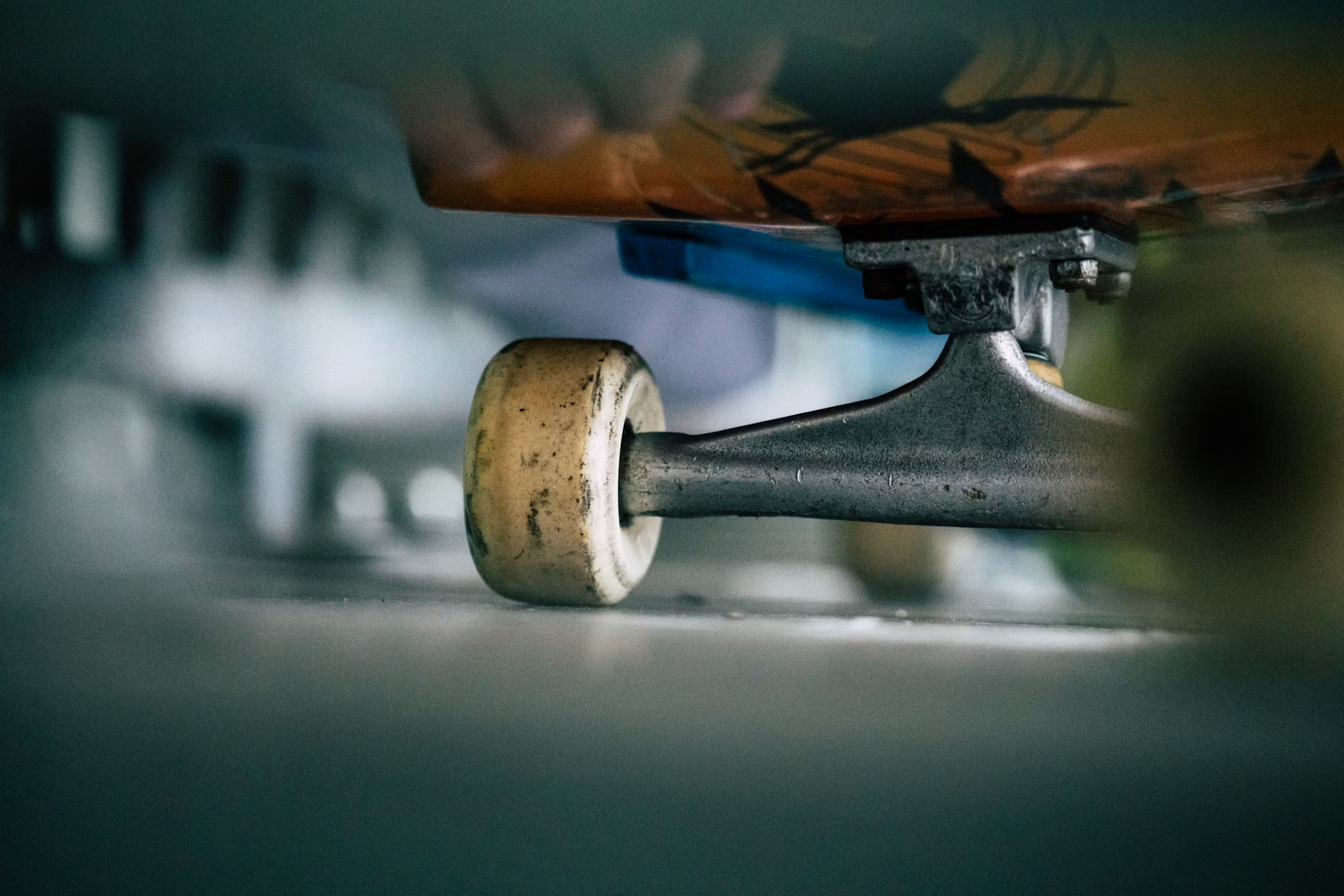
Skateboarding is not just a sport; it’s a cultural phenomenon that spans decades and embraces a diverse array of styles, techniques, and communities. From the moment a skater steps onto their board, they enter a world filled with creativity, expression, and the thrill of movement. Skateboarding is accessible to everyone, allowing individuals of all ages and backgrounds to engage with it in their unique ways. As we explore the different styles within skateboarding, we uncover the skills required, the culture that surrounds each discipline, and the ultimate sense of belonging that comes from being part of the skateboarding community.

One of the most recognizable forms of skateboarding is street skating. This style thrives in urban environments, where skaters transform everyday features like stairs, benches, and handrails into opportunities for tricks and creative expression. Street skating is characterized by its adaptability and resourcefulness. Skaters often seek out new spots and push the boundaries of what is possible in their surroundings. This quest for innovation fosters a sense of camaraderie, as skaters share tips and celebrate each other’s accomplishments. Street skating encourages individuality; every skater develops a unique style, often influenced by their local environment and the culture that surrounds them.

The thrill of street skating lies in the excitement of discovering new spots and executing tricks that showcase personal flair. The community is vibrant and supportive, with skaters often documenting their journeys through videos and social media. This sharing not only inspires others but also connects skaters from different parts of the world, allowing them to appreciate the diverse interpretations of street skating. Each new trick landed or innovative spot discovered reinforces the feeling of belonging that defines the skateboarding culture.

In contrast to street skating, vert skateboarding offers a different kind of exhilaration. Taking place in halfpipes and vert ramps, this discipline emphasizes high-speed aerial maneuvers and tricks. Skaters launch themselves into the air, performing spins, flips, and grabs, all while defying gravity. The mastery of vert skating requires dedication and a deep understanding of timing, balance, and technique. The thrill of flying high above the ramp is unmatched, creating an adrenaline rush that captivates both skaters and spectators alike.

Competitions in vert skateboarding are exciting events where skaters showcase their skills and creativity. The atmosphere is charged with energy as riders encourage each other and share their knowledge of tricks and techniques. The relationships forged in this environment often extend beyond the ramps, fostering friendships that contribute to the close-knit community within vert skating. The sense of achievement when landing a challenging trick in front of an enthusiastic crowd reinforces the commitment to the sport and the bonds formed with fellow skaters.

Bowl and pool skateboarding further expands the diversity of the sport, focusing on smooth transitions and carving techniques. Skaters navigate large, bowl-shaped structures or empty swimming pools, utilizing the contours to perform tricks while maintaining fluidity and style. This form of skateboarding encourages creativity and experimentation, as riders link tricks in seamless runs that reflect their individuality. The artistry involved in bowl riding captivates audiences, who appreciate the skill and finesse required to maneuver through these unique environments.

Freestyle skateboarding, often regarded as a return to the sport’s roots, emphasizes technical tricks and footwork performed on flat surfaces. This discipline showcases balance, rhythm, and creativity, allowing skaters to develop intricate routines that often resemble dance performances. Freestyle events attract viewers with their artistry, highlighting the dedication and innovation of participants. As skaters continue to evolve their tricks and styles, they contribute to the rich tapestry of skateboarding culture.

Longboarding offers a different perspective on the sport, emphasizing cruising and carving rather than trick execution. Longboarders enjoy the sensation of gliding down hills and navigating scenic routes, embracing the freedom of movement. This style appeals to those seeking a more relaxed approach to skating, allowing for a deep connection with nature and the joy of the ride. Downhill longboarding, on the other hand, introduces an element of excitement and challenge, as skaters tackle steep slopes while prioritizing control and stability.

Slalom skateboarding adds another layer of skill and precision to the sport, focusing on navigating courses marked by cones. This discipline emphasizes agility and technique, as skaters aim for the fastest time while executing clean turns. Slalom events promote a spirit of friendly competition while also fostering a sense of community, as participants cheer each other on and share strategies for improvement. The dedication to refining skills in slalom skating highlights the commitment that skaters bring to their craft.

Skateparks serve as vital hubs for the skateboarding community, providing safe spaces for skaters to practice and explore various features. These parks offer ramps, rails, and bowls, creating opportunities for skaters of all skill levels to hone their techniques and experiment with new tricks. Skateparks also foster social connections, as individuals come together to share their love for skating. Within these vibrant environments, friendships are forged, knowledge is exchanged, and a strong sense of belonging is cultivated.

For those looking for excitement beyond traditional skateboarding, off-road and all-terrain options offer thrilling alternatives. Mountain boarding, for example, involves riding specialized boards designed for rugged terrain, allowing skaters to explore dirt trails and grassy hills. This discipline emphasizes exploration and adaptability, as riders navigate diverse landscapes and overcome obstacles. Off-road skating enriches the overall skateboarding experience, providing unique challenges that enhance a rider’s skills while inviting them to connect with nature.

As skateboarding continues to evolve, crossover styles are emerging that blend elements from various disciplines. These hybrid styles reflect the versatility of modern skateboarders, who constantly innovate and push the boundaries of creativity and expression. The fusion of techniques from different styles invites skaters to develop their unique approaches, showcasing their individuality while celebrating the diversity of the sport.

The cultural significance of skateboarding is profound. It embodies a spirit of rebellion, freedom, and inclusivity, attracting individuals from all walks of life. The skateboarding community is known for its support and encouragement, fostering a welcoming atmosphere where skaters uplift one another and celebrate their shared passion. Events, competitions, and local skateparks become essential spaces where enthusiasts bond, learn, and inspire future generations.

The influence of skateboarding extends far beyond the sport itself, intertwining with art, music, and fashion. Skate culture has inspired countless artists, musicians, and designers, contributing to a rich tapestry of creativity that celebrates individuality. This cultural impact has shaped youth culture in meaningful ways, allowing skateboarding to transcend its athletic roots and become a lifestyle that resonates with many.

With the inclusion of skateboarding in the Olympic Games, the sport has gained international recognition, providing a platform for skaters to showcase their skills to a broader audience. This visibility highlights the growth and evolution of skateboarding while emphasizing its ability to unite people from diverse backgrounds. As skateboarding continues to thrive, its influence on youth culture and its capacity to foster community remain undeniable.

In conclusion, skateboarding is a multifaceted sport that celebrates creativity, community, and self-expression. Each style—from street to vert, bowl to freestyle—offers unique challenges and rewards, inviting skaters to explore their passions in diverse ways. As the skateboarding community continues to grow and evolve, the ultimate joy of this sport lies in its ability to foster individual expression while connecting people across the globe. Whether gliding down a street, launching off a ramp, or navigating a bowl, the spirit of skateboarding thrives in its many forms, inspiring individuals to embrace the culture and creativity that define this remarkable sport.
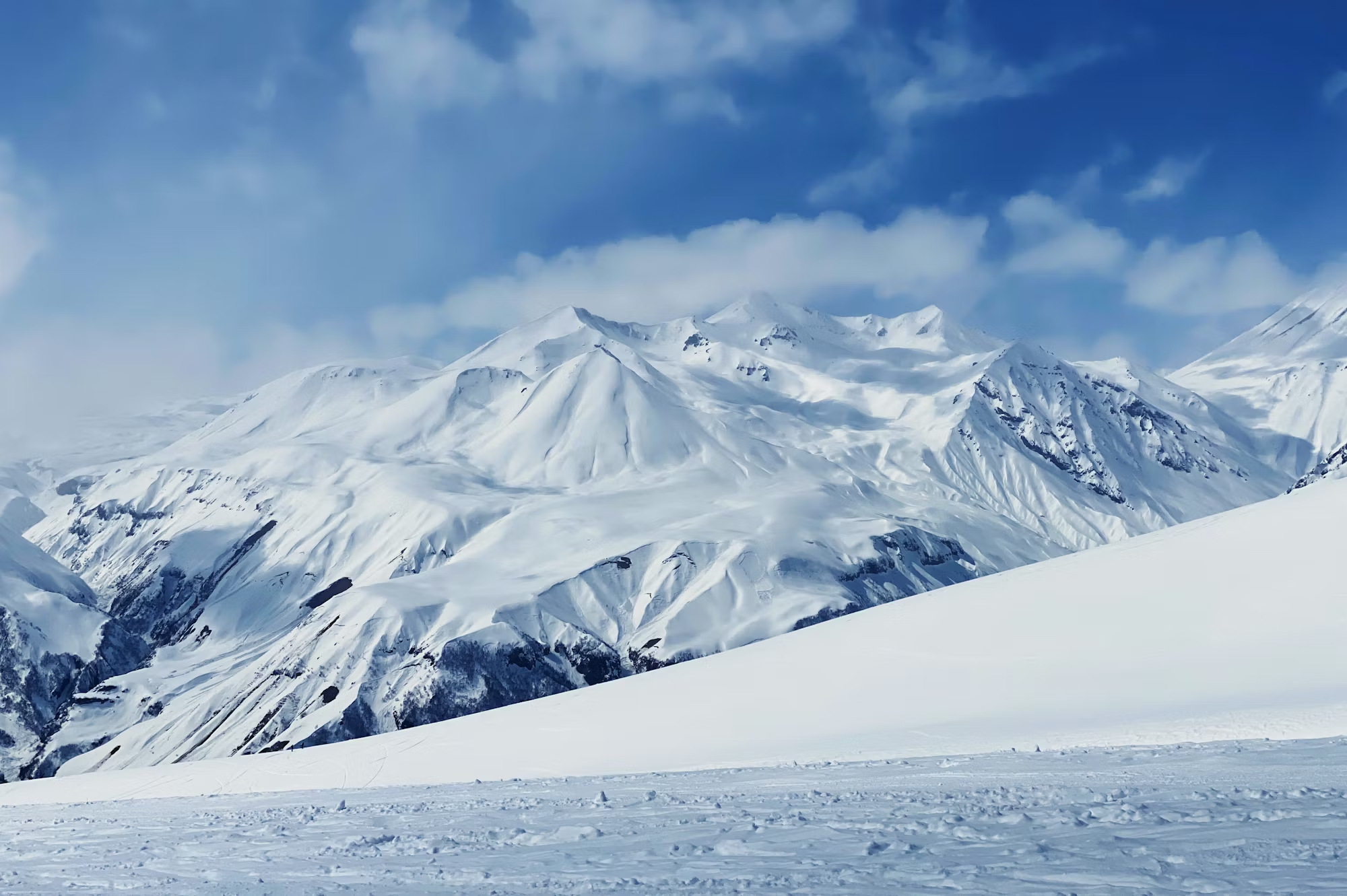

Exploring the Thrill of Snowboarding: Techniques and Styles for Every Rider

Snowboarding has captivated adventure seekers for decades, offering a thrilling combination of speed, agility, and creativity on the slopes. From the pristine snow of mountain resorts to the untouched backcountry, snowboarding provides endless opportunities for exploration and self-expression. In this comprehensive guide, we will explore the various styles of snowboarding, delve into essential techniques, and provide tips to enhance your overall experience on the mountain.

Understanding Snowboarding Styles
To fully appreciate the art of snowboarding, it’s important to understand the different styles available to riders. Each style caters to unique preferences and environments, ensuring that there’s something for everyone.

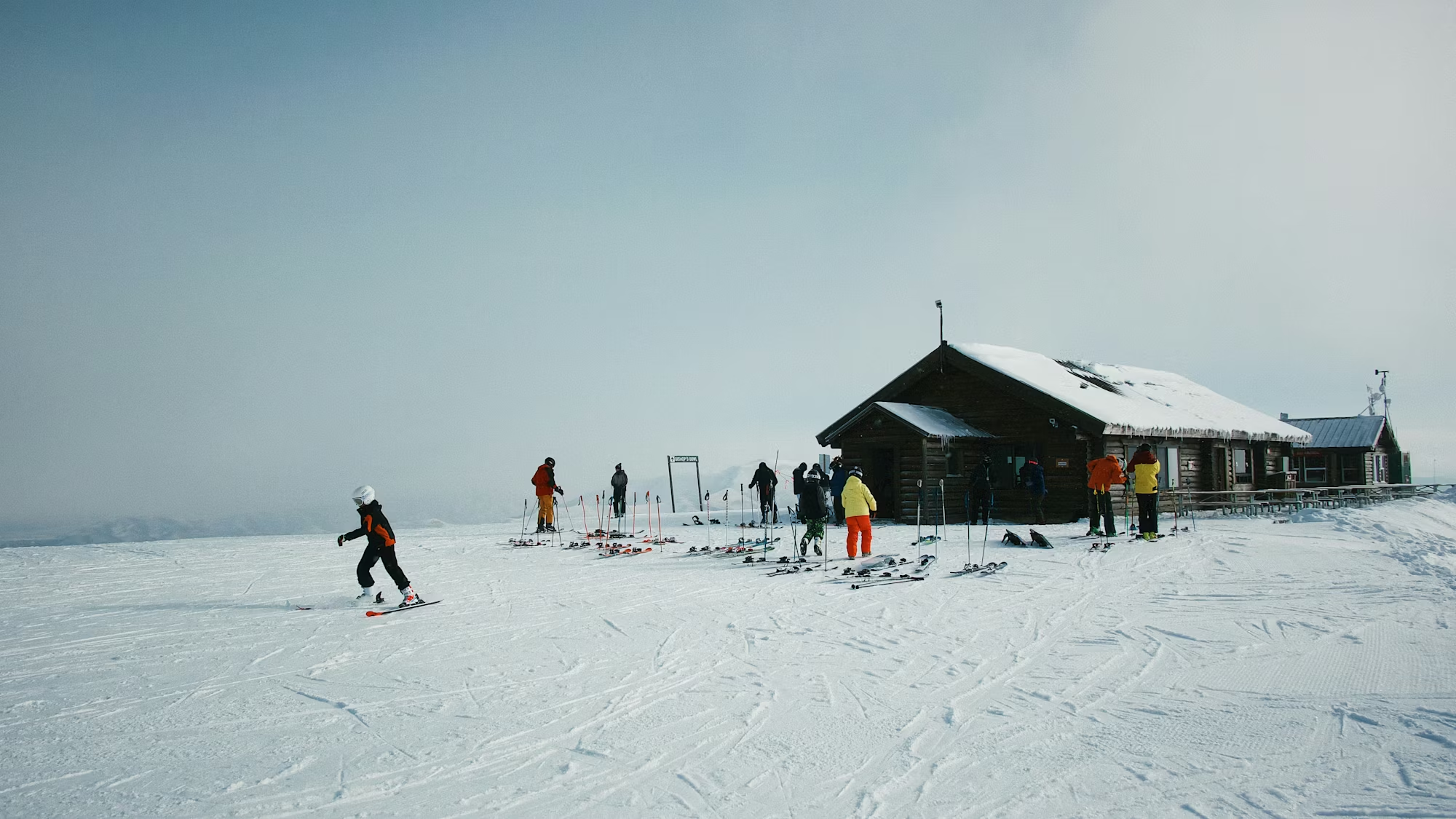
1. Freestyle Snowboarding: Freestyle riding is a playground for creativity. In terrain parks, riders perform tricks on features such as jumps, rails, and halfpipes. The focus is on self-expression, with riders constantly innovating new maneuvers. Beginners can start with small jumps and progress to more complex tricks, allowing for a gradual increase in skill and confidence.

2. All-Mountain Riding: All-mountain riding is for those who want to experience everything snowboarding has to offer. This style combines elements from various terrains, allowing riders to explore groomed trails, powder-filled glades, and even park features. Mastering all-mountain riding involves versatility and adaptability, as riders encounter different snow conditions and challenges throughout the day.

3. Freeride Snowboarding: For those seeking adventure away from the crowded slopes, freeride snowboarding offers a unique experience. Riders venture into backcountry areas, navigating natural terrain such as cliffs, chutes, and deep powder. This style requires strong technical skills and an understanding of snow safety, making it ideal for experienced snowboarders who relish the thrill of untouched landscapes.

4. Alpine Racing: Alpine racing is a competitive discipline focused on speed and precision. Riders navigate courses marked by gates, emphasizing technique and agility. Mastering this style requires strong carving skills and a keen understanding of body positioning, making it a favorite among those looking for a high-speed challenge.

5. Boardercross: Boardercross blends racing and freestyle, involving multiple riders racing down a course filled with jumps and obstacles. Strategy plays a significant role, as competitors must navigate turns and maintain speed while managing interactions with other riders. This style is exciting and unpredictable, providing an adrenaline rush for participants.

Essential Techniques for Snowboarding
Regardless of the style you choose, mastering essential snowboarding techniques is vital for a successful and enjoyable experience on the slopes. Here are some fundamental skills to focus on:

1. Finding Your Stance: Determining whether you ride regular (left foot forward) or goofy (right foot forward) is the first step. This choice significantly impacts your balance and control, so it’s worth experimenting to find what feels most comfortable.

2. Balancing and Weight Distribution: Maintaining balance is crucial in snowboarding. Riders should practice shifting their weight from toes to heels to achieve smooth transitions. A relaxed posture and strong core will enhance stability and control while riding.

3. Turning: Learning to turn is essential for navigating the mountain. Start with basic toe-side and heel-side turns, gradually linking them for a more fluid riding style. As you improve, work on carving techniques to create smooth arcs in your turns.

4. Stopping Safely: Knowing how to stop is just as important as knowing how to ride. The heel-side stop is a common technique, allowing riders to slow down by shifting their weight back and pressing down on the heel edge of the board. Practicing this skill will enhance your control and confidence.

5. Jumping and Tricks: For those interested in freestyle, starting with small jumps is essential. Focus on proper takeoff and landing techniques before progressing to spins and grabs. Consistent practice will help you build confidence and expand your trick repertoire.

6. Carving: Carving is a technique that allows for smooth, controlled turns while maintaining speed. Riders should practice leaning into their turns and using their knees to guide the board, which helps maintain momentum and control.

Choosing the Right Gear
Selecting the right equipment is crucial for a successful snowboarding experience. Here’s a breakdown of essential gear:

1. Snowboard: Choose a snowboard that aligns with your riding style. Freestyle boards are typically shorter and more flexible, while all-mountain boards offer versatility across various terrains. It’s important to select a board that suits your skill level and preferences.

2. Bindings: Bindings connect your boots to the board, and they come in various styles, including strap-in and rear-entry. Ensure that your bindings fit snugly and are compatible with your snowboard to maximize control and comfort.

3. Boots: Comfort and support are key when selecting boots. Soft boots provide flexibility for freestyle riding, while stiffer options offer more support for all-mountain and alpine styles. A good fit is essential to enhance control and reduce fatigue on the slopes.

4. Protective Gear: Safety should always be a top priority. Wearing a helmet is essential to protect your head, and consider additional protective gear such as wrist guards and padded shorts for added safety. Choosing the right protective equipment can significantly enhance your confidence while riding.

Tips for a Memorable Snowboarding Experience
To ensure an enjoyable snowboarding adventure, consider the following tips:

1. Know Your Limits: It’s important to ride within your skill level to ensure safety and enjoyment. While challenging yourself is part of the learning process, understanding your limits helps prevent accidents and injuries.

2. Stay Hydrated: Snowboarding is physically demanding, and staying hydrated is crucial. Bring water and snacks to keep your energy levels up, ensuring you can fully enjoy your time on the mountain.

3. Warm-Up and Stretch: Before hitting the slopes, take a few moments to warm up and stretch your muscles. This practice helps prevent injuries and prepares your body for the physical demands of riding.

4. Take Lessons: If you’re new to snowboarding or looking to improve your skills, consider taking lessons. Professional instruction can accelerate your learning and provide valuable feedback to help you progress more effectively.

5. Embrace the Journey: Snowboarding is about enjoying the moment and embracing the beauty of nature. Celebrate your progress, take in the stunning views, and appreciate the thrill of every ride. Each run is an opportunity to learn and grow as a snowboarder.

The Snowboarding Community
One of the most rewarding aspects of snowboarding is the vibrant community it fosters. Riders bond over their shared passion, exchanging tips, experiences, and encouragement. Engaging with fellow snowboarders enhances the overall experience and often leads to lasting friendships and unforgettable adventures.

In conclusion, snowboarding is an exciting sport that offers a diverse range of styles and experiences for riders of all levels. By mastering essential techniques, selecting the right gear, and embracing the various styles available, you can enhance your snowboarding journey. Whether you’re carving down groomed trails, exploring the backcountry, or expressing yourself in the terrain park, the thrill of snowboarding awaits you. So gear up, hit the slopes, and discover the joy of riding today!

Exploring the World of Golf Equipment: A Comprehensive Guide

Golf, often regarded as a game of precision and skill, relies heavily on the quality and suitability of equipment. Understanding the different types of golf gear available can enhance your performance on the course and elevate your enjoyment of the game. In this article, we will explore the various categories of golf equipment, highlighting essential features, recent innovations, and tips for selecting the right gear.

Golf Clubs: The Heart of the Game
Golf clubs are arguably the most important piece of equipment for any golfer. There are several types of clubs, each designed for specific purposes, and understanding these can greatly influence your performance.

1. Drivers: The driver is typically the first club used on a hole, designed for long-distance shots off the tee. Modern drivers feature larger clubheads, adjustable weights, and technology to enhance forgiveness and distance. When choosing a driver, consider factors like loft, shaft flexibility, and grip size to ensure it suits your swing style.

2. Irons: Irons are used for a variety of shots throughout a round, from approach shots to short game situations. They are numbered from 3 to 9, with lower numbers indicating lower loft and longer distance. Players often prefer either cavity-back irons for forgiveness or muscle-back irons for control. Testing different brands and models can help you find the right balance between feel and performance.

3. Wedges: Wedges are specialized irons designed for short, precise shots around the green. They come in various types, including pitching wedges, sand wedges, and lob wedges, each serving distinct purposes based on loft and bounce. When selecting wedges, consider your typical playing conditions and personal preferences for shot-making.

4. Putters: A crucial part of any golfer’s arsenal, putters are designed for accuracy on the greens. There are two main types: blade putters, which offer a traditional feel, and mallet putters, which provide greater stability and alignment assistance. Selecting the right putter involves finding the right balance between feel and alignment aids that suit your putting style.

Golf Balls: The Essential Connection
Golf balls play a vital role in determining how well you can control your shots. The right ball can enhance distance, feel, and spin, depending on your playing style.

1. Types of Golf Balls: Golf balls are typically categorized as one-piece, two-piece, and multi-layer. One-piece balls are often used for driving ranges, while two-piece balls are common for beginners due to their durability and distance. Multi-layer balls offer more control and spin, appealing to advanced players.

2. Compression: Golf ball compression refers to how much a ball compresses during impact. Lower compression balls tend to be softer and are better for slower swing speeds, while higher compression balls are designed for faster swings, providing more distance. Testing various compression levels can help you find a ball that maximizes your performance.

3. Spin and Control: The ability to control the spin on your shots is essential for precision. Balls designed for higher spin provide better control on approach shots and around the greens, while distance balls may prioritize low spin to maximize distance. Understanding your needs and playing style will guide your selection process.

Golf Bags: Carrying Your Essentials
A golf bag is crucial for transporting your clubs and equipment around the course. There are several styles to consider, each offering distinct benefits:

1. Stand Bags: Stand bags are lightweight and feature retractable legs, allowing players to easily set the bag down on the course. These bags are ideal for walkers who want to minimize fatigue during a round.

2. Cart Bags: Designed for use with golf carts, cart bags are larger and often have additional storage compartments for personal items and accessories. They typically do not have a stand, making them less suitable for walking.

3. Staff Bags: Staff bags are larger, often used by professionals and serious players. They offer extensive storage and are made from high-quality materials, though they can be heavy to carry. Choosing a bag that fits your playing style and transportation preferences is essential for comfort.

Accessories: Enhancing Your Game
In addition to clubs, balls, and bags, several accessories can improve your golfing experience:

1. Golf Gloves: A good golf glove enhances grip and comfort during swings. When selecting a glove, consider factors such as material, fit, and weather conditions. Many players prefer leather gloves for their feel, while synthetic options offer durability.

2. Tees: Tees are essential for elevating the ball off the ground, allowing for a cleaner strike. They come in various heights and materials. Experimenting with different types can help you find the best option for your driver and playing style.

3. Rangefinders and GPS Devices: Technology has transformed the way golfers assess distances on the course. Rangefinders and GPS devices provide accurate measurements to the flag, hazards, and other course features. Investing in one of these tools can enhance your course management skills and decision-making.

4. Golf Shoes: Proper footwear is essential for stability and comfort during a round. Golf shoes are designed with spikes or soft grips to provide traction. When selecting shoes, consider factors such as fit, waterproofing, and style. Comfort is key, as it will help you maintain focus and performance throughout your game.

Custom Fitting: Finding Your Perfect Match
Custom fitting is an increasingly popular option for golfers looking to optimize their equipment. A professional fitting session can assess your swing characteristics and recommend clubs tailored to your needs. Here are a few benefits of custom fitting:

1. Improved Performance: Custom-fitted clubs can significantly enhance your accuracy and distance. The right shaft length, flex, and grip size can make a world of difference in your game.

2. Personalized Recommendations: Fitters often have access to various club models and can guide you in selecting the best equipment based on your individual preferences and playing style.

3. Enhanced Comfort: Clubs that feel comfortable in your hands and suit your swing mechanics can boost your confidence on the course. Custom fitting ensures that your equipment aligns with your physical characteristics and swing dynamics.

Conclusion
Investing in quality golf equipment tailored to your needs can significantly impact your game. By understanding the various categories of clubs, balls, bags, and accessories, you can make informed decisions that enhance your performance and enjoyment. As technology continues to evolve, staying informed about new innovations will help you remain competitive on the course. Whether you’re a beginner or a seasoned golfer, the right gear can transform your experience, allowing you to focus on the joy of the game.

Exploring the Thrill of Snowboarding: A Guide to Techniques and Experiences

Snowboarding is more than just a sport; it’s a thrilling adventure that brings together elements of skill, nature, and camaraderie. For those who strap on a board and glide down snow-covered slopes, the experience is both liberating and invigorating. This guide aims to explore the various techniques involved in snowboarding, as well as the unique experiences that come with this exciting activity, making it a must-read for beginners and seasoned riders alike.

The Joy of Snowboarding

At its core, snowboarding is about embracing the freedom of movement while navigating breathtaking landscapes. Whether you’re carving down a groomed run or exploring untouched backcountry, the rush of adrenaline and the beauty of the mountains create unforgettable moments. This article will cover the essential aspects of snowboarding techniques that can elevate your experience, ensuring you make the most of your time on the slopes.

Getting Started: Essential Gear

Before diving into techniques, it’s crucial to understand the importance of having the right gear. Snowboarding requires specific equipment designed to enhance performance, safety, and comfort.

1. Snowboard: The type of snowboard you choose significantly affects your riding experience. All-mountain boards are versatile and suitable for various conditions, while freestyle boards are designed for tricks and terrain park use. Freeride boards excel in powder and backcountry conditions.
2. Bindings: Your bindings connect you to the board and should fit your boots snugly. Choosing the right binding type—strap or step-in—depends on personal preference and riding style.
3. Boots: A proper fit is essential for control and comfort. Soft boots offer flexibility, while hard boots provide more support, typically preferred for alpine riding.
4. Protective Gear: Safety should always be a priority. Wearing a helmet, wrist guards, and padded clothing can prevent injuries during falls.
5. Clothing: Layering is key to staying warm and dry. A moisture-wicking base layer, insulating mid-layer, and waterproof outer layer work together to keep you comfortable in various conditions.

Mastering Basic Techniques

Once you have your gear sorted, the next step is to focus on mastering fundamental techniques that will form the basis of your snowboarding skills.

Finding Your Stance
Your stance is the foundation of your snowboarding technique. Most riders are either regular (left foot forward) or goofy (right foot forward). Determining your natural stance can be done by sliding on a smooth surface and noticing which foot you place forward instinctively. Once you’ve identified your stance, adjust your bindings accordingly, ensuring a comfortable and stable position.

Balance and Body Position
Balance is critical in snowboarding. Maintaining a low center of gravity by bending your knees will help you stay stable. Your weight should be evenly distributed over your board, with your shoulders aligned with your hips and feet. Engaging your core will further enhance your balance, allowing for more controlled movements on the slopes.

Stopping Techniques

Knowing how to stop safely is crucial for any snowboarder. Here are two fundamental stopping techniques:

Heel Side Stop
To perform a heel-side stop, shift your weight onto your heels and turn your board perpendicular to the slope. This will dig the heel edge into the snow and bring you to a stop. Practice this technique on gentle slopes before progressing to steeper terrain.

Toe Side Stop
For a toe-side stop, shift your weight onto your toes while turning your board similarly. This method also provides a controlled stop and is particularly useful when navigating turns.

Turning Techniques

Mastering turning techniques will significantly enhance your riding experience. Here are two common methods:

Carving Turns
Carving turns involve shifting your weight onto the edge of the board while maintaining speed. Lean into the turn and apply pressure to the edge to create a smooth arc. This technique is effective on groomed runs and allows for fluid transitions between turns.

Skidded Turns
Skidded turns are more forgiving and easier for beginners to learn. To execute a skidded turn, shift your weight from heel to toe while turning your board. This method is ideal for slower speeds and navigating tight spaces.

Jumping and Tricks

As you gain confidence, you may want to explore jumping and tricks. Here are some key tips:

1. Approach: Maintain a steady speed as you approach a jump. Position your body for takeoff by bending your knees and preparing to spring off the lip.
2. Takeoff: At the lip of the jump, extend your legs to propel yourself into the air. Keeping your body compact will help maintain balance while airborne.
3. In the Air: Focus on your landing spot as you descend. This will help you prepare for a smooth touchdown.
4. Landing: Bend your knees upon landing to absorb impact and maintain stability. Aim to land with your weight centered over the board.

Riding in Different Conditions

Snowboarding conditions can vary widely, from fresh powder to icy slopes. Adapting your technique to different terrains is essential for a successful ride:

Riding Powder
When riding in deep powder, adjust your stance by widening your feet and leaning back slightly. This helps keep the nose of the board afloat and enables smoother navigation through soft snow. Making gentle, wide turns will help you maintain speed and control.

Riding Icy Slopes
On icy terrain, maintaining a low center of gravity is key. Utilize your edges for grip and practice carving to maintain control. Avoid skidding, as this can lead to loss of control on hard-packed snow.

Building Confidence and Overcoming Fear

Developing confidence is crucial in snowboarding. Here are some tips to help you overcome fear and build your skills:

1. Set Realistic Goals: Start with achievable objectives that match your skill level. Gradually increase the difficulty as you improve.
2. Practice Regularly: Consistent practice is vital for building confidence. The more time you spend on the slopes, the more comfortable you will become.
3. Learn from Mistakes: Accept that falls and mistakes are part of the learning process. Use these experiences as opportunities for growth and improvement.
4. Visualize Success: Mental visualization can enhance your performance. Before attempting a new technique, picture yourself successfully executing it, which can boost your confidence.

The Community Aspect of Snowboarding

One of the best aspects of snowboarding is the sense of community it fosters. Joining a local snowboarding group or community can enhance your experience on the slopes. Riding with friends or experienced mentors can provide valuable tips, encouragement, and camaraderie. Participating in group lessons or workshops can also accelerate your learning and make for a more enjoyable experience.

Conclusion

Snowboarding is an exciting and dynamic sport that offers a unique blend of adventure, skill, and connection with nature. By mastering essential techniques, adapting to various conditions, and fostering a positive mindset, you can significantly enhance your riding experience. Whether you’re hitting the slopes for the first time or looking to refine your skills, the journey of snowboarding is filled with opportunities for growth and enjoyment. So grab your gear, find your stance, and embrace the thrill of snowboarding, creating unforgettable memories along the way.

Exploring the Depths: A Comprehensive Guide to Scuba Diving

Scuba diving offers an exhilarating way to explore the mysteries of the underwater world, allowing adventurers to experience marine life in its natural habitat. With the right training, equipment, and knowledge, divers can safely navigate this fascinating realm, uncovering vibrant ecosystems and stunning seascapes. In this article, we will explore the fundamental aspects of scuba diving, including essential techniques, equipment, and tips for both beginners and experienced divers.

Understanding Scuba Diving

Scuba diving, short for Self-Contained Underwater Breathing Apparatus diving, allows divers to breathe underwater using a tank of compressed air. Unlike snorkeling, where divers remain at the surface, scuba diving permits exploration of greater depths and more diverse marine environments. The beauty of scuba diving lies in its accessibility; individuals of various skill levels can partake in this exhilarating activity.

The allure of the underwater world draws millions of people each year, whether for recreational purposes, underwater photography, or marine research. As divers descend into the depths, they encounter stunning coral reefs, shipwrecks, and an array of marine life, making every dive a unique adventure.

Essential Scuba Diving Equipment

Proper equipment is crucial for a safe and enjoyable diving experience. Below is a list of essential gear that every diver should have:

1. Scuba Tank

The scuba tank is the heart of your diving equipment, storing compressed air that allows you to breathe underwater. Tanks come in various sizes, typically ranging from 80 to 120 cubic feet. The choice of tank size depends on the dive duration, depth, and personal preference. It’s essential to ensure that your tank is properly filled and maintained for safe use.

2. Regulator

The regulator is a critical component that converts high-pressure air from the tank to a breathable pressure. It consists of a first stage that attaches to the tank and a second stage that delivers air to your mouth. Investing in a quality regulator ensures reliable performance and comfort while diving.

3. Buoyancy Control Device (BCD)

A BCD is a vest-like apparatus that helps divers manage their buoyancy underwater. By adjusting the air volume in the BCD, divers can ascend, descend, or maintain neutral buoyancy, allowing for greater control during the dive. Choosing a BCD that fits well and has the necessary features, such as integrated weight systems, can enhance your diving experience.

4. Wetsuit or Dry Suit

Depending on the water temperature, divers wear either wetsuits or dry suits to maintain body warmth. Wetsuits are made of neoprene and provide thermal insulation by trapping a thin layer of water against the skin. Dry suits, on the other hand, are waterproof and can be worn in colder conditions, allowing divers to remain completely dry while insulating heat with thermal undergarments.

5. Mask and Snorkel

A quality mask provides clear vision underwater, while a snorkel allows divers to breathe at the surface without lifting their heads. Ensure that the mask fits snugly to prevent water leakage and provides a good field of vision. Some divers prefer integrated masks with built-in snorkels for convenience.

6. Fins

Fins enhance propulsion and maneuverability underwater, making it easier to swim efficiently. When selecting fins, consider the type (full-foot or open-heel), material, and size to ensure comfort and performance. Proper finning techniques also help conserve energy while diving.

Scuba Diving Techniques

Mastering essential scuba diving techniques is vital for ensuring safety and maximizing enjoyment underwater. Here are some key skills every diver should learn:

1. Equalization

As divers descend, the pressure around them increases, affecting the air-filled spaces in the body, such as the ears and sinuses. Equalizing helps prevent discomfort and injury. Divers should practice techniques like the Valsalva maneuver (pinching the nose and gently blowing) to equalize pressure effectively as they descend.

2. Buoyancy Control

Maintaining proper buoyancy is crucial for safety and comfort. Divers should practice adjusting their BCD to achieve neutral buoyancy, allowing them to float effortlessly in the water column. This skill also helps prevent damage to delicate marine ecosystems, as uncontrolled buoyancy can lead to contact with coral or other sensitive habitats.

3. Air Management

Managing air supply is a vital skill for divers. Monitoring air consumption and planning dives according to tank capacity ensures safe ascents and avoids running low on air. Divers should learn to calculate their air consumption rates and use a dive computer or pressure gauge to keep track of their remaining air supply.

Tips for a Successful Dive

To make the most of your scuba diving experience, consider these helpful tips:

1. Get Proper Training: Before diving, obtain certification from a recognized agency such as PADI or SSI. Training equips you with essential skills and knowledge for safe diving practices.

2. Dive with a Buddy: Always dive with a buddy for safety. Having a partner ensures assistance in case of emergencies and enhances the overall experience.

3. Check Equipment Thoroughly: Before every dive, conduct a thorough equipment check to ensure everything is functioning correctly. Familiarize yourself with your gear to avoid complications underwater.

4. Plan Your Dive: Always plan your dive, including depth, duration, and safety stops. Discuss the plan with your buddy to ensure both parties are aware of the diving objectives.

5. Respect Marine Life: Practice responsible diving by avoiding contact with marine life and not disturbing underwater habitats. Observing marine creatures from a distance ensures their protection and enhances your experience.

Conclusion

Scuba diving is a captivating and rewarding way to explore the underwater world. By understanding essential equipment, mastering key techniques, and following safety tips, divers can embark on memorable adventures beneath the waves. Whether you’re exploring vibrant coral reefs or mysterious shipwrecks, each dive offers the chance to connect with the beauty of the ocean. So gear up, dive in, and discover the wonders that lie beneath the surface.

Exploring the Thrills of Wave Riding: A Guide to Surfing Styles

Surfing is a dynamic sport that captivates enthusiasts around the globe. From the adrenaline of catching a massive wave to the tranquility of a calm paddle on a stand-up board, surfing encompasses a diverse range of styles and experiences. Each surfing discipline offers unique techniques and cultural significance, contributing to the rich tapestry of the surfing community. In this article, we will explore the major surfing styles, their intricacies, and the culture that surrounds them.

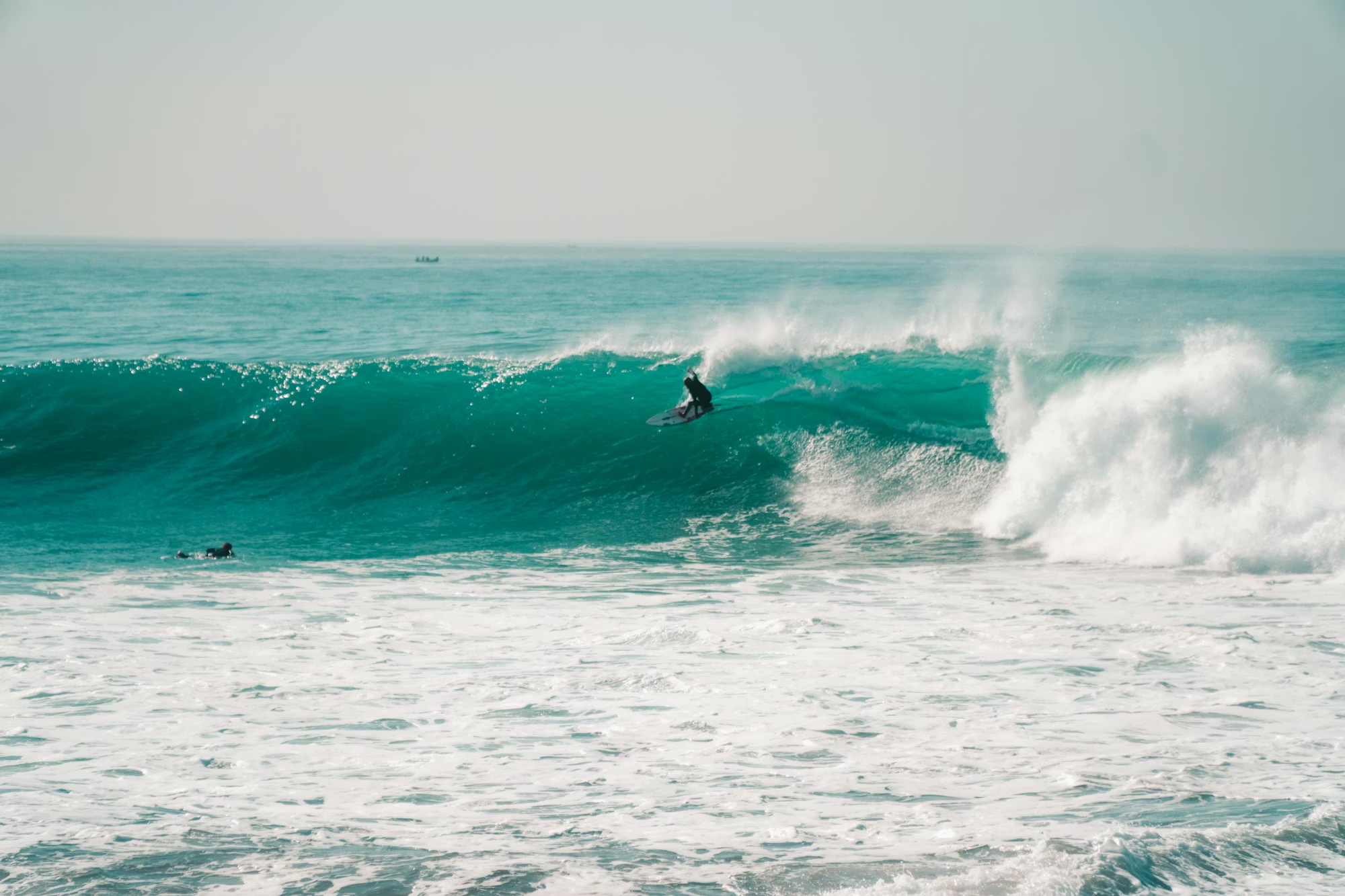
Shortboarding is arguably the most recognized form of surfing, known for its fast-paced and aggressive style. Shortboarders utilize smaller, thinner boards that allow for rapid maneuvering and high-speed turns. This style is characterized by dynamic movements, including aerial tricks and sharp cutbacks, making it a thrilling spectacle for spectators. Shortboarding demands a combination of strength, balance, and skill, as surfers must quickly adapt to the ever-changing conditions of the ocean. Surfers often spend countless hours honing their techniques, pushing their limits to achieve the ultimate ride.

In contrast, longboarding offers a more laid-back approach to surfing. Longboarders use boards that are typically nine feet or longer, which allows for smoother and more graceful movements. The art of noseriding, where the surfer walks to the front of the board while riding a wave, exemplifies the beauty of longboarding. This style emphasizes fluidity over speed, encouraging surfers to connect with the wave and the ocean in a serene manner. Longboarding fosters a strong sense of community, as practitioners often gather for local contests, beach cleanups, and social events, celebrating the culture of riding together.

Bodyboarding presents another unique facet of wave riding. Surfers lie on a smaller, rectangular foam board, riding waves close to the shore. Bodyboarding is often seen as more accessible for beginners, as it requires less balance and provides an intimate experience with the water. Bodyboarders perform a variety of maneuvers, including spins, rolls, and aerials, showcasing their creativity and skill. The bodyboarding community is known for its camaraderie, with enthusiasts sharing tips, stories, and experiences at popular beach spots around the world.

Stand-Up Paddleboarding (SUP) has surged in popularity in recent years, offering a versatile blend of surfing and fitness. In this discipline, surfers stand on larger boards and use paddles to navigate through flatwater or catch waves. SUP can be enjoyed in various settings, from serene lakes to ocean waves, making it a favorite for many. In addition to its recreational aspects, SUP has become a popular choice for yoga enthusiasts who practice on their boards, combining physical fitness with mindfulness and connection to nature. This inclusive aspect of SUP has opened the sport to a broader audience, encouraging people of all ages and backgrounds to participate.

Tow-In Surfing is a thrilling technique that allows surfers to ride massive waves that are often too powerful to paddle into. Using personal watercraft, surfers are towed into the wave, enabling them to catch swells that can reach heights of 20 feet or more. This high-adrenaline style requires not only skill but also a deep understanding of wave dynamics and safety measures. Tow-in surfing has gained recognition through spectacular performances in big wave locations like Jaws in Hawaii and Nazaré in Portugal, captivating audiences with its intensity.

Tandem Surfing adds a unique twist to traditional surfing by involving two surfers riding a single board together. This style emphasizes trust and coordination, as one surfer (the “driver”) performs lifts and tricks with their partner. Tandem surfing showcases the beauty of collaboration and creativity, creating a stunning visual display that highlights the connection between the surfers and the ocean. Events dedicated to tandem surfing often draw enthusiastic crowds, celebrating the artistry and teamwork involved.

Skimboarding, while distinct from traditional surfing, is another exhilarating water sport that deserves mention. Skimboarders ride a smaller board on shallow water, typically near the shore. The technique involves running and dropping the board onto the thin wash of an incoming wave, then riding it back to the beach. Skimboarding requires a different skill set, focusing on balance and timing. This sport is particularly popular in warm coastal areas, and skimboarders often gather for contests and social events, fostering a strong sense of community.

As surfing evolves, technology plays an increasingly significant role in enhancing the experience. Advancements in board design, wetsuit materials, and wave forecasting apps have transformed how surfers interact with the ocean. Surfers can now access real-time information about wave conditions and surf spots, allowing for better planning and preparation. This technological integration has also facilitated the growth of online communities where surfers share tips, experiences, and resources, further enriching the surfing culture.

The cultural significance of surfing extends beyond the sport itself. It has influenced music, art, and fashion, creating a vibrant subculture that resonates with many. The imagery of surfers riding waves is often celebrated in photography and film, capturing the essence of the sport. Surf music, rooted in the 1960s, continues to inspire new generations, embodying the carefree spirit associated with surfing.

Moreover, surfing fosters environmental awareness and conservation efforts. Many surfers are deeply connected to the ocean and understand the importance of protecting it. Initiatives like beach cleanups and advocacy for sustainable practices have become integral parts of surf culture, encouraging surfers to take an active role in preserving the ecosystems they cherish. Organizations dedicated to marine conservation often partner with the surfing community to promote awareness and inspire action.

In conclusion, surfing is a multifaceted sport that offers a wealth of experiences, styles, and cultural significance. From the adrenaline of shortboarding to the grace of longboarding and the creativity of bodyboarding, each discipline contributes to the rich tapestry of the surfing community. As surfing continues to evolve, it remains a source of inspiration, connection, and joy for people worldwide. Whether you are an experienced surfer or someone curious about the sport, the ocean invites you to explore its waves and become part of this vibrant culture.

Cycling Through Life: A Journey of Adventure and Community

Cycling is more than just a mode of transportation; it’s a way of life that promotes health, adventure, and community. Whether you are navigating urban landscapes, conquering mountain trails, or embarking on long-distance tours, cycling offers an exhilarating sense of freedom and discovery. In this article, we will explore the myriad benefits of cycling, the various disciplines it encompasses, and how it creates connections among enthusiasts across the globe.

The Physical and Mental Benefits of Cycling

Engaging in regular cycling can have profound effects on both physical and mental health. As a low-impact exercise, cycling is gentle on the joints, making it an excellent choice for people of all ages and fitness levels. It enhances cardiovascular health, strengthens muscles, and improves overall endurance. Many people find that just a few sessions of cycling each week can lead to significant improvements in their fitness levels, allowing them to enjoy daily activities with greater ease.

Beyond physical health, cycling is a powerful tool for boosting mental well-being. The rhythmic motion of pedaling combined with the exposure to nature can help reduce stress and promote relaxation. The release of endorphins during physical activity fosters a sense of happiness and accomplishment, making cycling an effective way to combat feelings of anxiety or depression. Additionally, many cyclists report that riding provides them with a mental escape, allowing them to clear their minds and find inspiration.

Exploring Different Cycling Disciplines

With a variety of cycling styles available, it’s important to find one that resonates with your interests and goals. Here’s a closer look at some popular disciplines, each offering unique experiences and benefits:

1. Road Cycling

Road cycling is perhaps the most widely practiced form of cycling. It involves riding on paved roads and can range from leisurely rides to competitive racing. Road cyclists often enjoy the thrill of speed and the challenge of endurance, participating in events such as gran fondos or stage races like the Tour de France. This discipline is particularly suited for those who enjoy exploring new routes, meeting fellow cyclists, and pushing their limits.

2. Mountain Biking

For those who thrive on adventure, mountain biking offers an exciting escape into nature. Riding on rugged trails presents challenges that test both skill and endurance. Mountain bikers face steep climbs, technical descents, and the need to navigate obstacles. The various sub-disciplines, such as cross-country (XC) and downhill (DH), provide options for different skill levels, making it an accessible and exhilarating sport for many. Mountain biking not only promotes physical fitness but also fosters a deep appreciation for the great outdoors.

3. BMX Cycling

BMX, or Bicycle Motocross, is synonymous with high-energy racing and freestyle tricks. Riders compete on dirt tracks filled with jumps and obstacles, experiencing the thrill of speed and competition. BMX racing is fast-paced, while freestyle BMX focuses on performing tricks and stunts. This vibrant culture attracts a younger audience, fostering creativity and community among riders.

4. Cyclocross

Cyclocross is a unique discipline that combines elements of road cycling and mountain biking. Races occur on varied terrains, including grass and mud, often requiring riders to dismount and carry their bikes over obstacles. This challenging discipline demands both physical endurance and technical skills, making it a popular choice for competitive cyclists during the colder months. The atmosphere at cyclocross events is electric, drawing in spectators and fostering a strong sense of community among participants.

5. Track Cycling

Track cycling takes place on velodromes—banked, oval tracks designed for high-speed racing. Cyclists compete in events like sprints and pursuits, utilizing fixed-gear bikes that emphasize speed and strategy. The excitement of track events creates a vibrant community atmosphere, with spectators cheering on their favorite athletes. Track cycling showcases the thrill of competition while emphasizing teamwork and precision.

6. Bike Touring

Bike touring allows cyclists to explore new landscapes at a leisurely pace, often covering long distances over days or weeks. Riders can immerse themselves in different cultures, making it an enriching experience. Touring can be self-supported, where cyclists carry their gear, or supported by vehicles, allowing for flexibility and comfort. This form of cycling encourages adventure and fosters connections with fellow travelers.

7. Electric Biking (E-bikes)

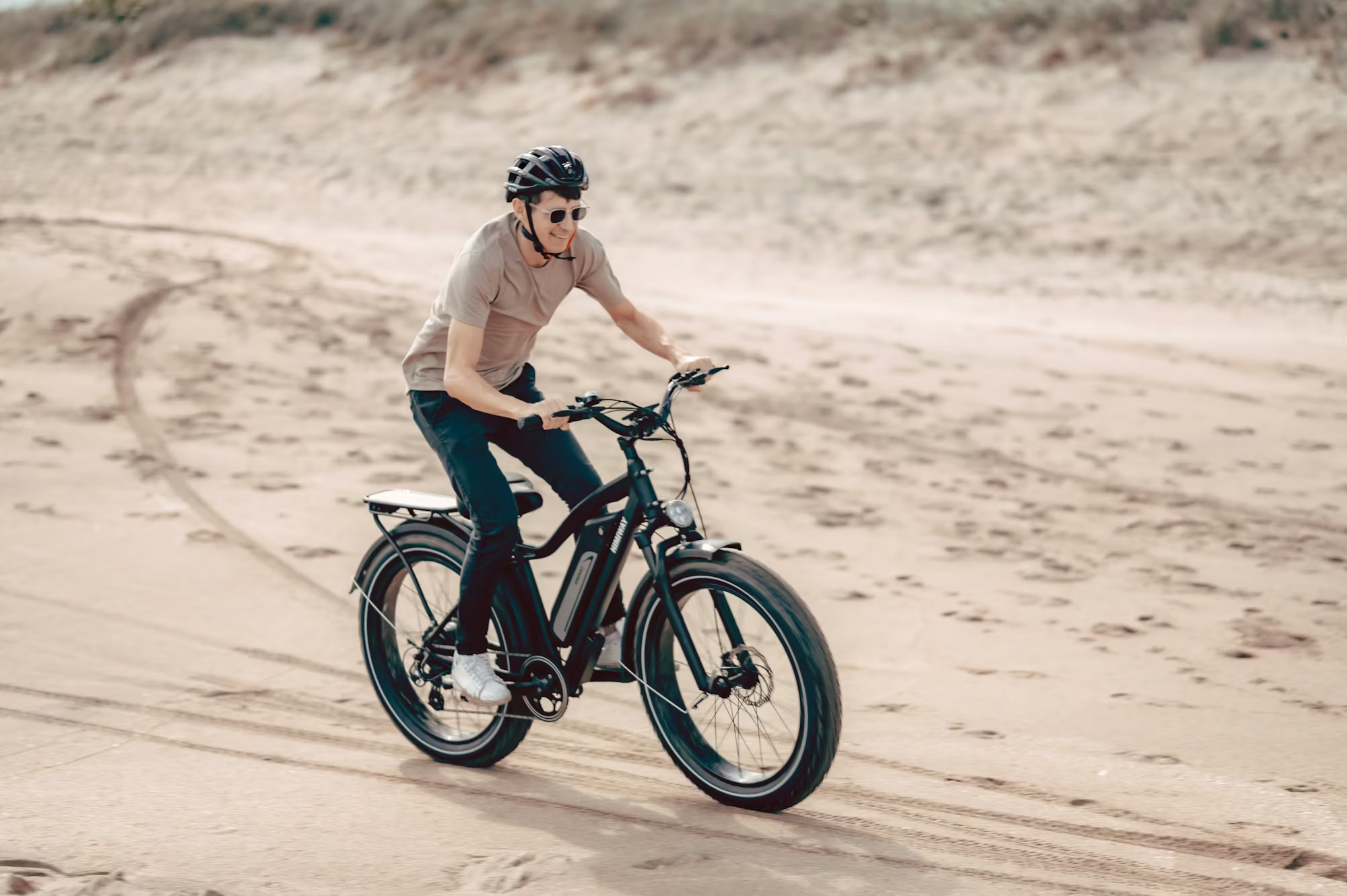
The rise of electric biking has made cycling accessible to a broader audience. E-bikes are equipped with electric motors that assist with pedaling, making it easier to tackle hills and ride longer distances. This technology allows individuals who may find traditional biking challenging to enjoy the benefits of cycling without the physical strain. E-bikes are particularly popular among commuters and those looking to maintain an active lifestyle without the intense effort required by traditional bikes.

8. Indoor Cycling

Indoor cycling has gained popularity, especially in urban environments where outdoor riding may not always be feasible. Spin classes and stationary bike workouts provide an excellent way to stay active, regardless of weather conditions. Many classes incorporate high-intensity interval training, promoting cardiovascular fitness and strength in a motivating group environment. Indoor cycling complements outdoor rides, ensuring that fitness goals are met year-round.

9. Recumbent Cycling

Recumbent cycling features bikes designed with a reclined seating position, offering a comfortable and ergonomic riding experience. This style is particularly appealing for those who may experience discomfort on traditional bikes or seek a more relaxed ride. Recumbent bikes are ideal for long-distance cycling, allowing riders to cover significant distances with less strain on the back and neck.

Building a Cycling Community

One of the most enriching aspects of cycling is the sense of community it fosters. Cyclists often form connections with fellow riders, whether through local clubs, group rides, or events. This camaraderie enhances the overall experience, making cycling not just a solo activity but a shared journey. Participating in group rides can provide motivation and accountability, helping cyclists push their limits while enjoying the company of others.

Cycling communities often organize events, such as charity rides or races, that bring people together for a common purpose. These gatherings not only promote camaraderie but also support local initiatives and charities, allowing cyclists to give back to their communities while indulging in their passion. Additionally, online platforms and social media have made it easier for cyclists to connect, share experiences, and inspire one another, creating a global community of cycling enthusiasts.

Tips for Starting Your Cycling Journey

If you’re new to cycling or considering picking it up as a hobby, here are some tips to help you get started:

1. Set Goals: Determine what you hope to achieve through cycling. Whether you want to improve fitness, explore new places, or compete, setting clear goals can guide your journey.

2. Choose the Right Bike: Selecting a bike that fits your style and purpose is crucial. Visit local bike shops for advice on choosing the right bike for your needs, whether it’s a road bike, mountain bike, or e-bike.

3. Invest in Safety Gear: Prioritize safety by investing in a quality helmet and other protective gear. Visibility is essential, so consider bright clothing or accessories for rides, especially in urban areas.

4. Start Slowly: If you’re new to cycling, start with shorter rides and gradually increase your distance and intensity. This approach helps build endurance and prevents injury.

5. Join a Local Group: Connecting with local cycling groups can enhance your experience. Many communities offer organized rides, which can be a great way to meet fellow cyclists and learn new routes.

6. Enjoy the Journey: Remember that cycling is not just about the destination; it’s about enjoying the ride. Take time to appreciate the scenery, connect with nature, and relish the freedom that comes with cycling.

Conclusion: Embrace the Cycling Adventure

Cycling is a multifaceted activity that brings numerous physical and mental health benefits while fostering a sense of adventure and community. With diverse disciplines to explore, there is a cycling style for everyone, whether you prefer competition, leisurely rides, or the thrill of adventure. By understanding the various types of cycling available and considering your personal goals, you can embark on a cycling journey that aligns with your lifestyle and aspirations.

So gear up, hit the road or the trails, and embrace the joy of cycling. The world awaits you on two wheels!